 ABOUT US
NEWS

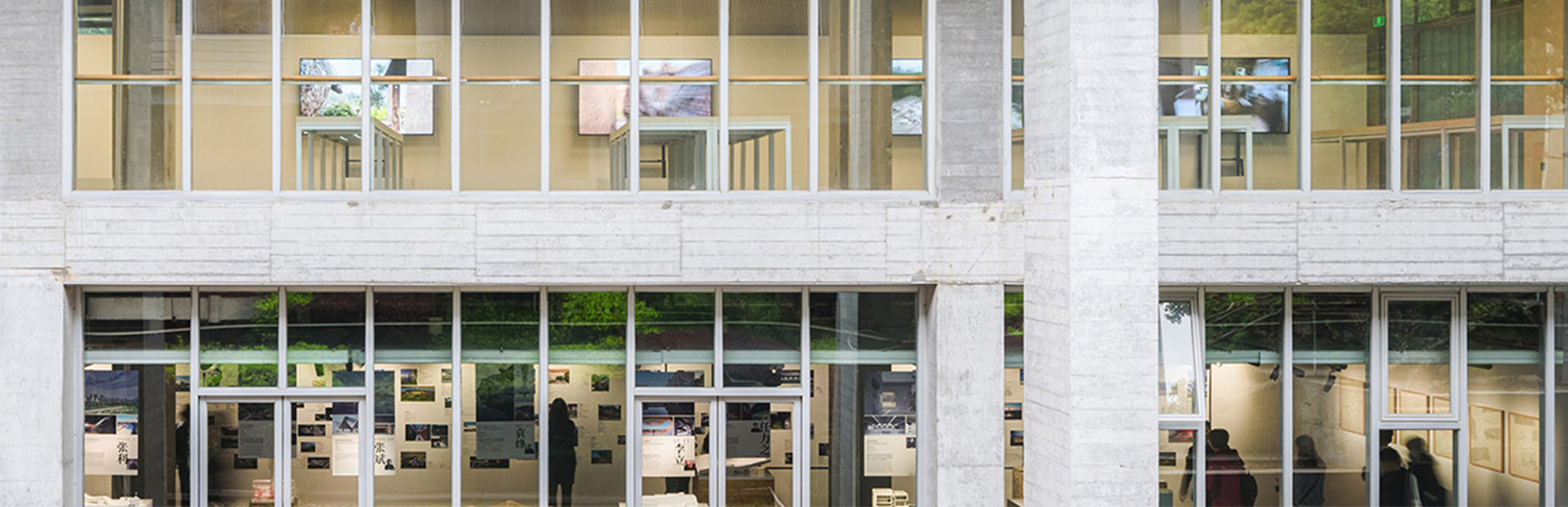
The 2026 Shanghai International Light Festival opens on 17 September, and among the works on show will be light pieces made by sixty school students from across the city. They created them this summer at Tongji University's College of Architecture and Urban Planning (CAUP), where the 2026 Youth Light Engineering Practice Camp closed with a showcase in the Zhongting Auditorium after five days of work under the theme Weaving Light, Urban Oasis.
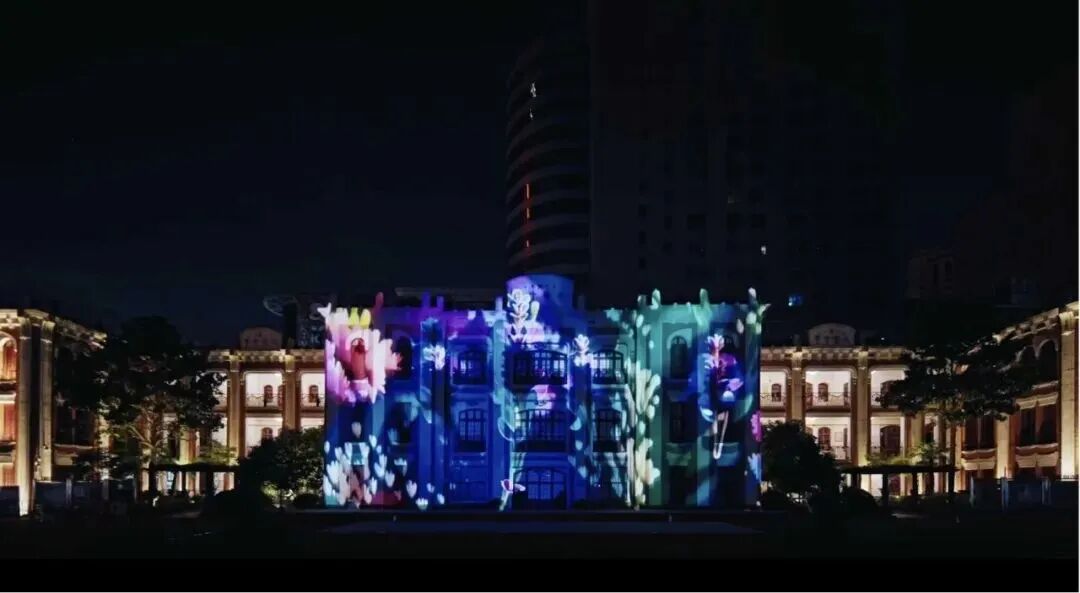
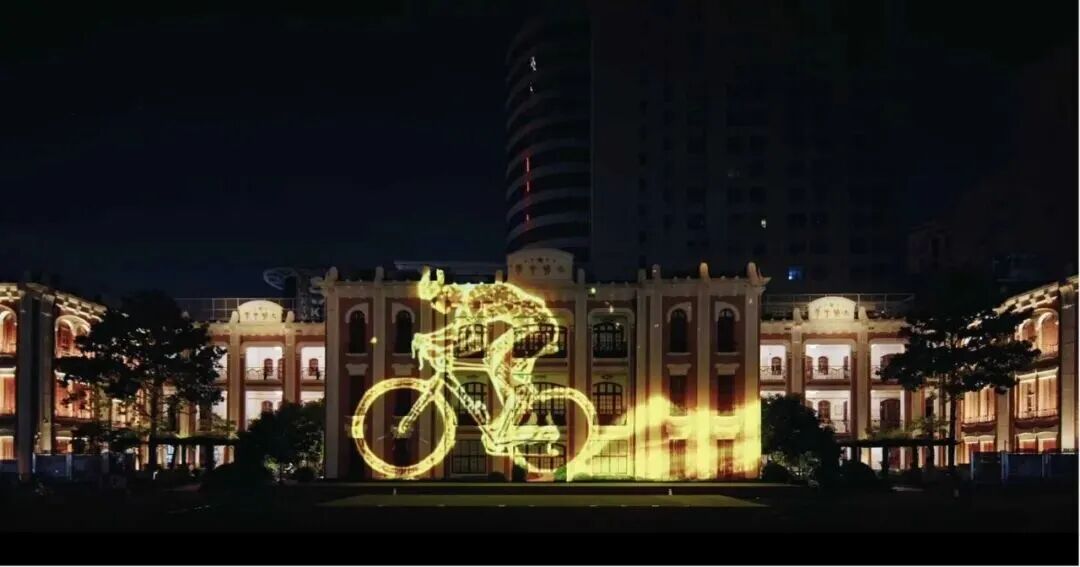
The camp began with a simple wish. In 2024, pupils at Guangming Middle School noticed that their century-old teaching building was the dimmest facade on an otherwise dazzling Huaihai Road, and proposed a project called Light Up Guangming Building. With the Huangpu District Lighting Landscape Management Institute and university mentors, fifteen of them used AI to turn the idea into a projection work mapped onto the historic building; it opened the festival's Huangpu programme that year, and the youth camp has been a fixture ever since.
The 2026 edition was guided by the festival's organising committee office and jointly hosted by CAUP, the Shanghai Science and Technology Art Education Centre and the Shanghai Youth Engineering Institute, with support from the Huangpu lighting institute, ByteDance's Xiaoyunque AI, Shanghai Luoman Technologies Inc., Tongji's College of Design and Innovation and Tongji Architectural Design (Group) Co., Ltd. (TJAD).
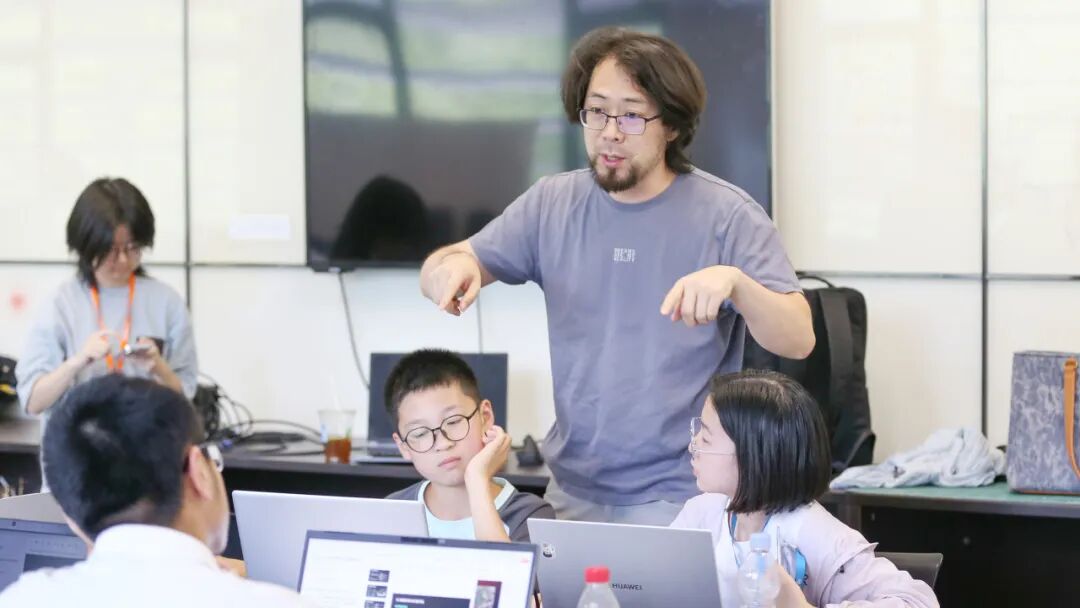
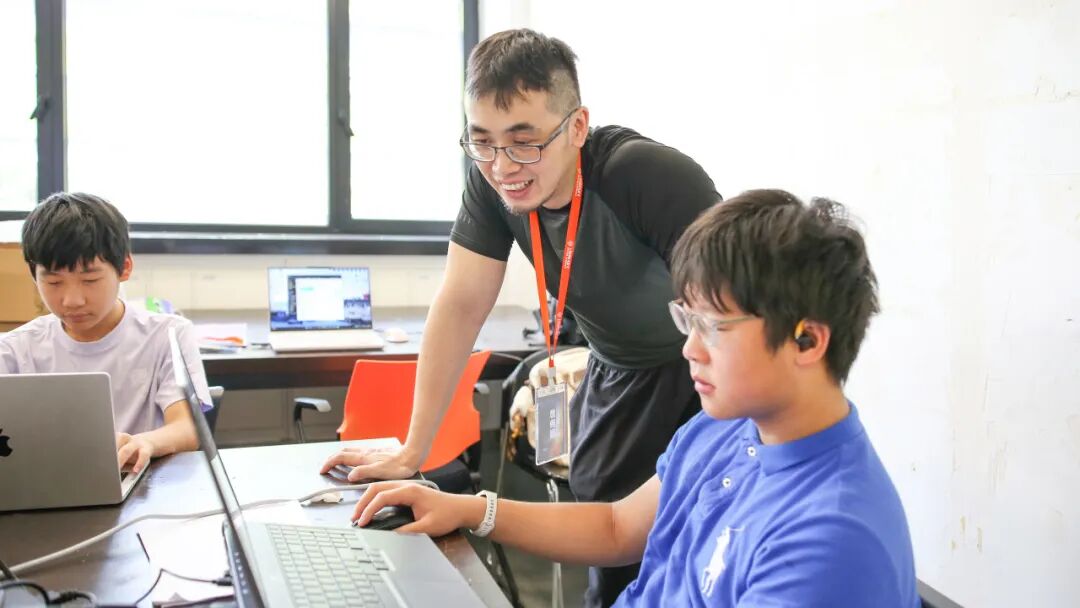
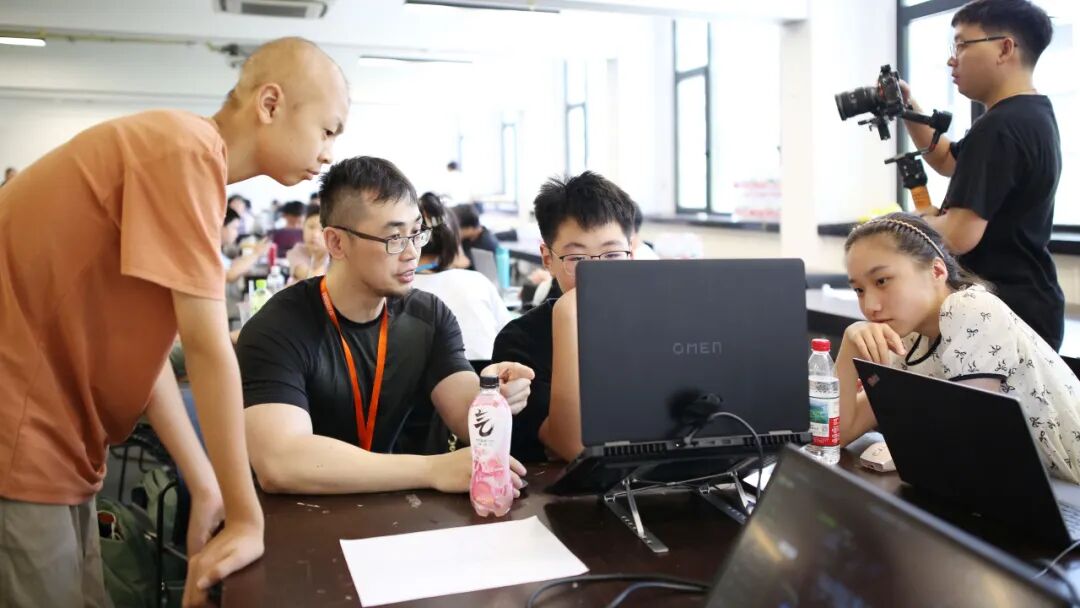
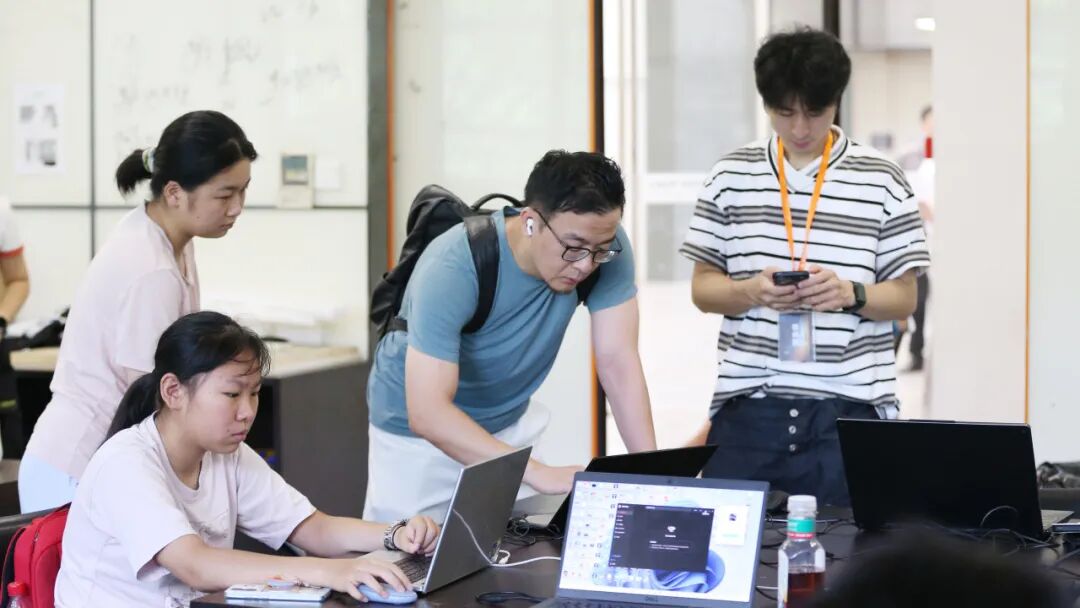
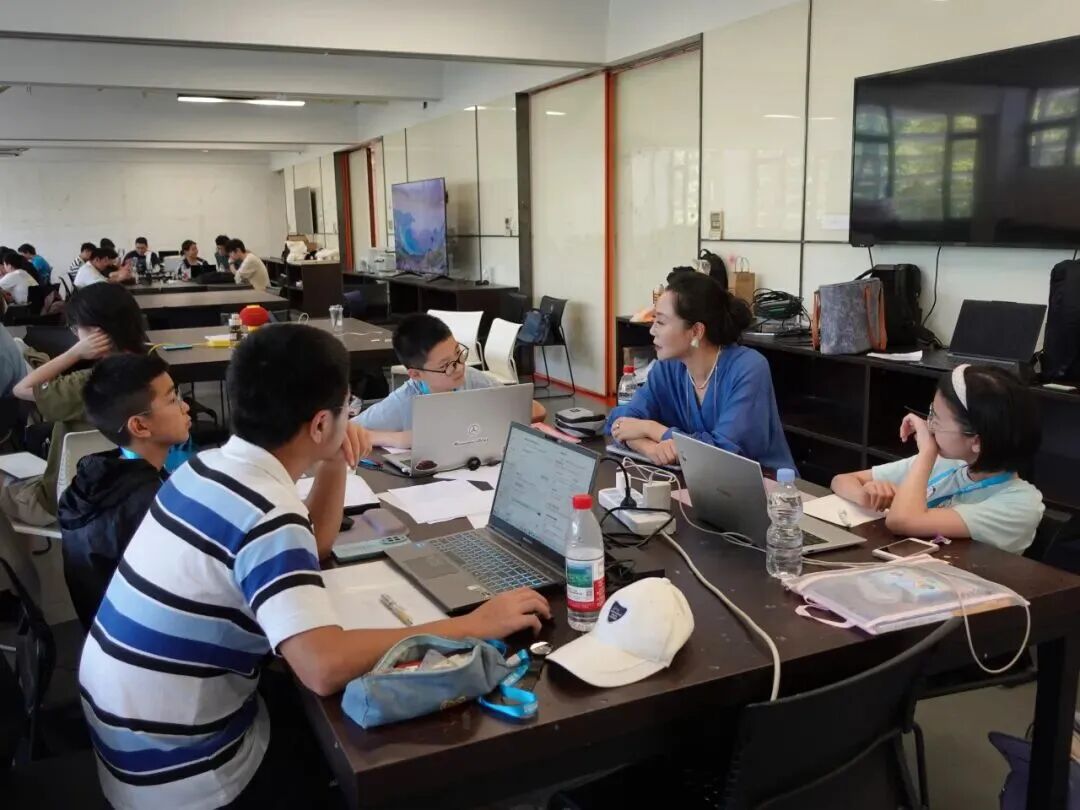
Over five days, sixty young researchers selected from secondary schools citywide worked across four tracks — light art installations, micro-renewal lighting design, AI interactive mapping and Light Universe Friends — moving from field research through concept to finished work. CAUP opened its auditorium and studio spaces to them, with faculty on site throughout and undergraduates, master's and doctoral students serving as teaching assistants: a university returning its academic resources to the city through school–local collaboration.
Many participants folded paper-cutting and shadow puppetry into their light pieces, or set the peaks of Zhangjiajie against imagined interstellar ecologies — traditional vocabularies recast through AI and light, and a vivid footnote to Tongji's selection in May as a national research base for fostering a strong sense of community for the Chinese nation.
The works are being refined with expert guidance through August and September; in October, the selected pieces go on show in the festival's core exhibition area.

NO.1239 Rd. Siping, SHANGHAI


