 ABOUT US
NEWS

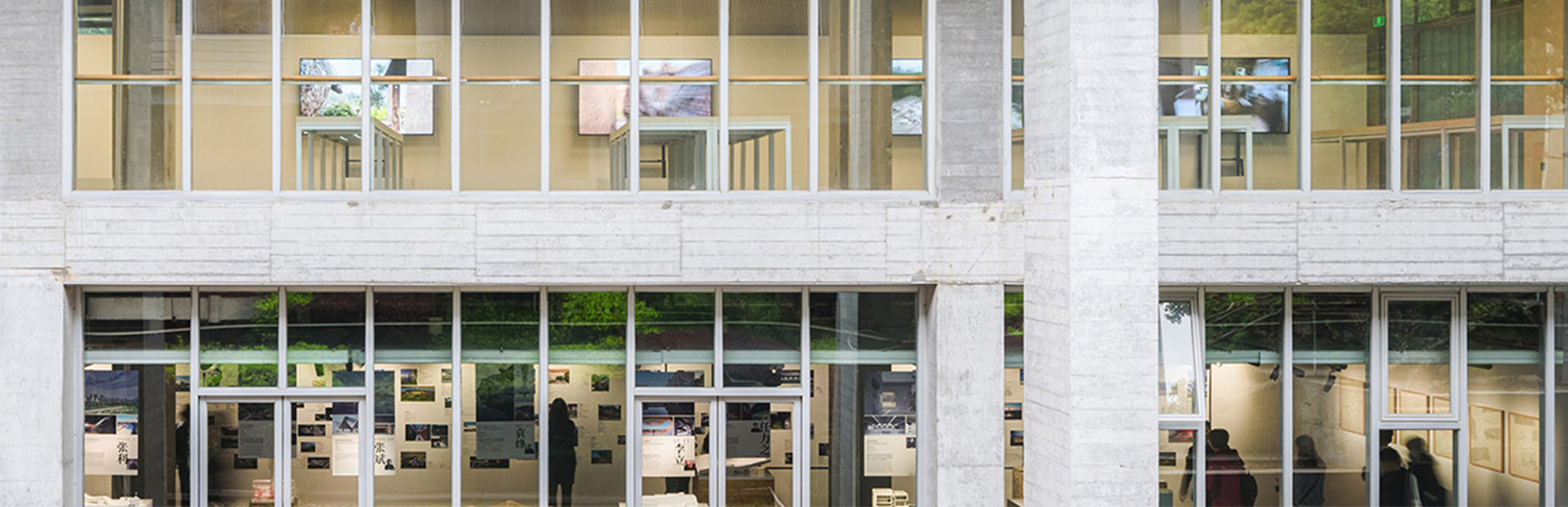
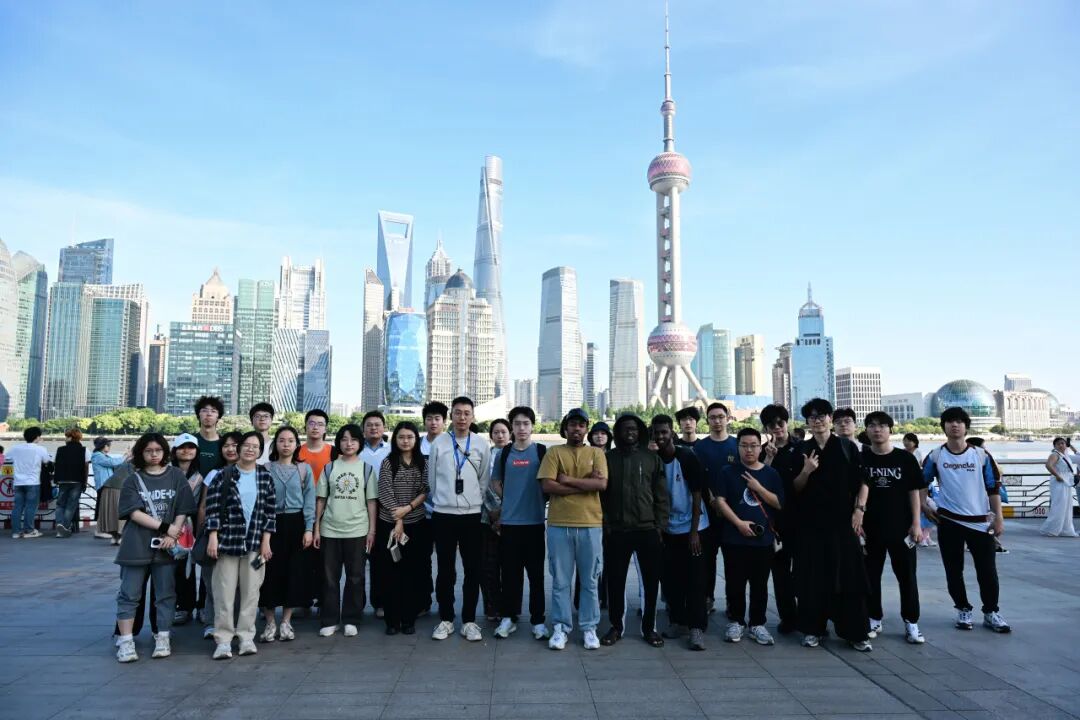
In the spring semester of 2026, the College of Architecture and Urban Planning (CAUP) at Tongji University offered “Cognition of Shanghai Urban Space”, a general education field course open to all undergraduates across the university. Combining thematic lectures with on-site visits, the course takes the city itself as the classroom, giving students from different disciplinary backgrounds a new way of reading Shanghai’s urban development, its distinctive architecture and its ever-changing built environment. More than thirty undergraduates enrolled, examining the city’s public spaces, historic districts, residential communities and infrastructure through field surveys, lectures and presentations.
The course opened with “Reading the City from the Air”, in which Professor LI Zhenyu drew on years of aerial photography to trace the city’s spatial character — the mottled textures of the old town, the vastness of the industrial belt, the openness of the waterfront and the sharp silhouettes of the new districts.
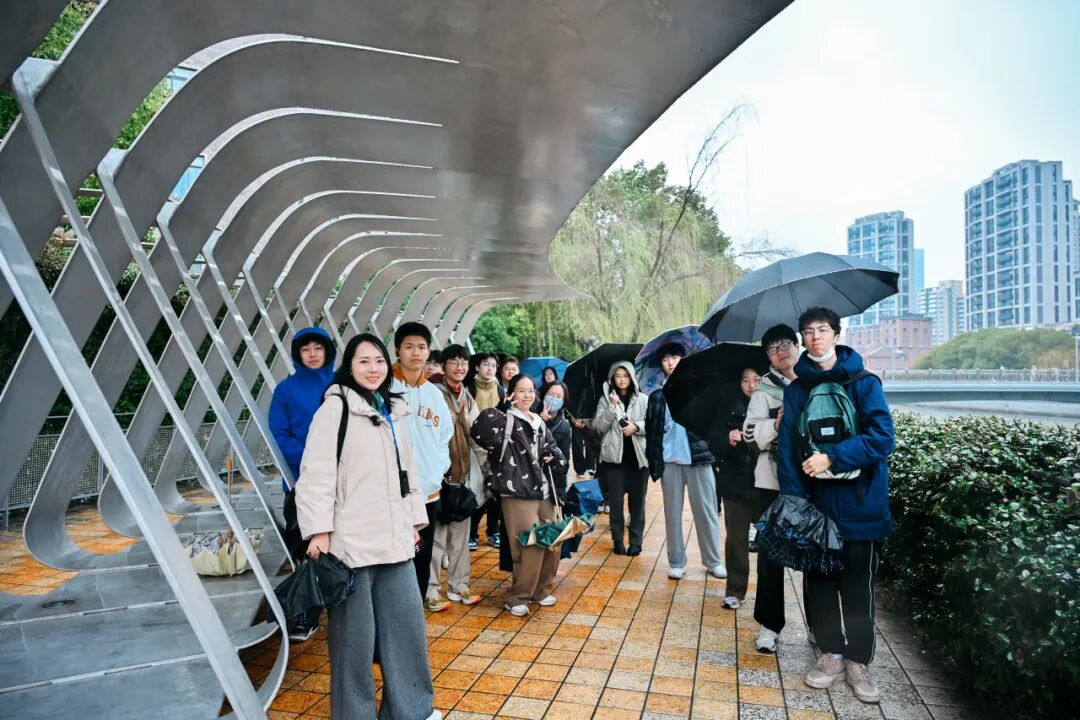
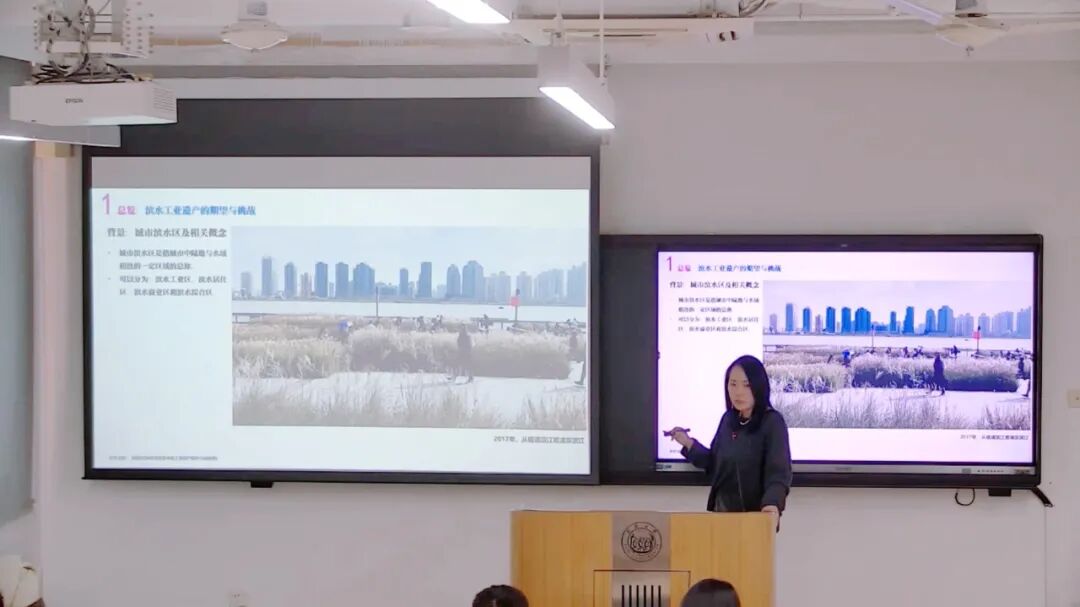
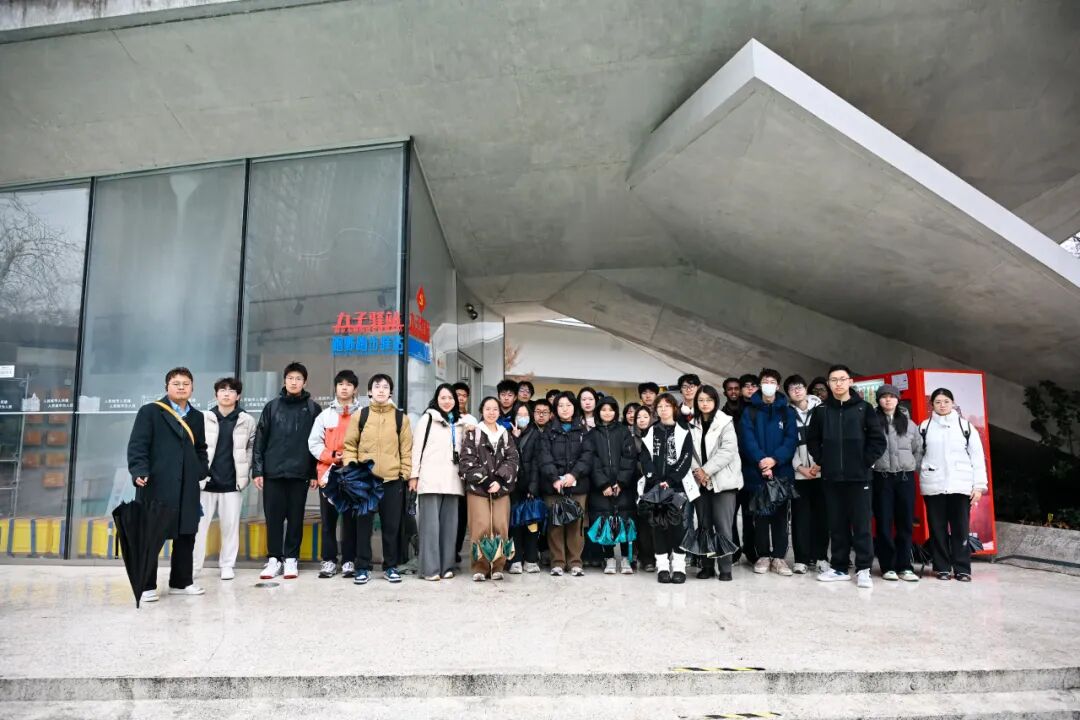
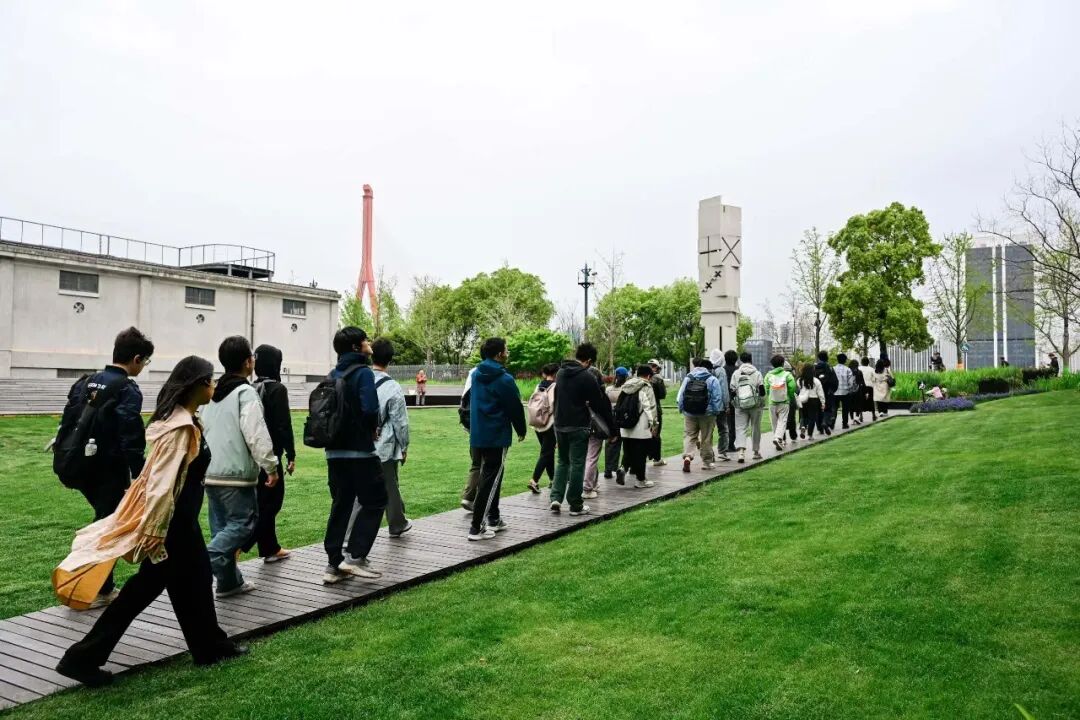
The first thematic module, “Shared Waterfronts”, was led by Assistant Professor ZHU Yichen, who examined the transformation of Shanghai’s riverfront from an “industrial rust belt” into a “living showcase”. Students walked along the Suzhou Creek from Jiuzi Park past the Sihang Warehouse and other landmarks, and visited the Lüzhiqiu and the Waterworks Gallery along the Yangpu Riverside, where LIU Jingyi, an expert from the Public Space and Urban Infrastructure Committee of the Architectural Society of Shanghai, delivered an on-site lecture on industrial building renewal. Midway through the course, students worked in groups to produce “walking maps” of Shanghai’s waterfront spaces.
The second module, “Urban Regeneration: Strategy and Practice”, focused on the renewal of historic districts. Professor LI Zhenyu traced regeneration trajectories “from Xintiandi to Wukang Road”, framing four approaches — cautious renewal, critical reconstruction, spontaneous transformation and demolition-and-replication — while Associate Professor QU Zhang reviewed the North Bund’s evolution from a port trading origin into a regeneration pioneer, and led the class to the Lester Institute of Technical Education to observe how new and old materials converse in restoration.
The third module, “The Human Scale of Infrastructure”, was taught by Assistant Professor JIANG Jiawei, who drew on global cases of infrastructure transformation. Field visits to Caoyang New Village, one of China’s earliest workers’ communities, and to Baixi Park prompted discussions on updating strategies and community-building, and on how design intervention can activate neighbourhood vitality.
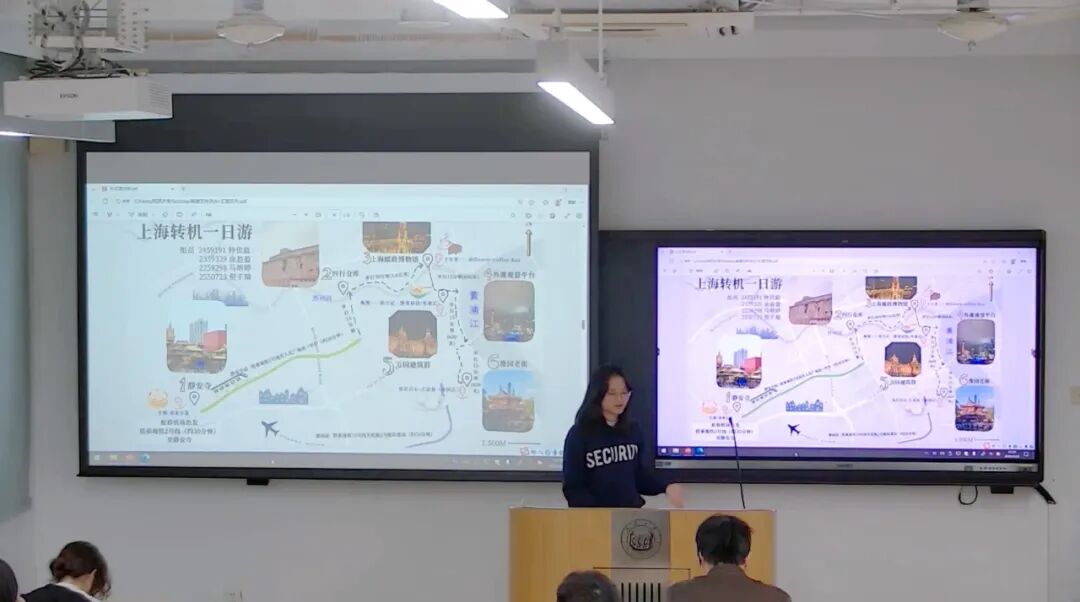
In their final presentations, students responded to the prompt “the Shanghai we imagined and the Shanghai we saw”, presenting posters of their observations. Professor LI Zhenyu and Assistant Professor ZHU Yichen offered feedback on topic development, material selection, layout and presentation skills, guiding students towards a critical and creative framework for understanding the city.

NO.1239 Rd. Siping, SHANGHAI


