 ABOUT US
NEWS

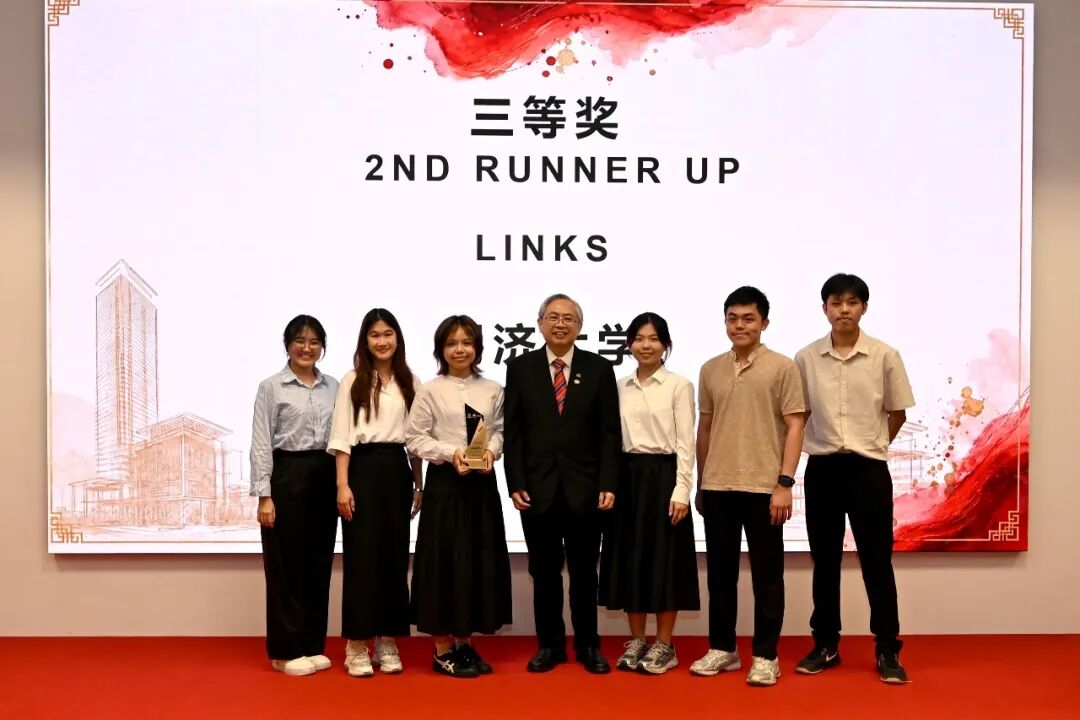
On July 30, the finals of the 7th “Belt and Road” International University Student Digital Architecture Design Competition were held in Klang, Malaysia, where a team of six Malaysian undergraduates from the College of Architecture and Urban Planning (CAUP) at Tongji University claimed third prize with their project LINKS. Mentored by YU Zhongqi and YAN Chao, both of whom received the Outstanding Advisor Award, the team was one of only ten entries selected from more than 100 submissions by 31 institutions across five countries — China, Malaysia, the United Kingdom, Indonesia and the Philippines — to compete in the finals after two rounds of expert review.

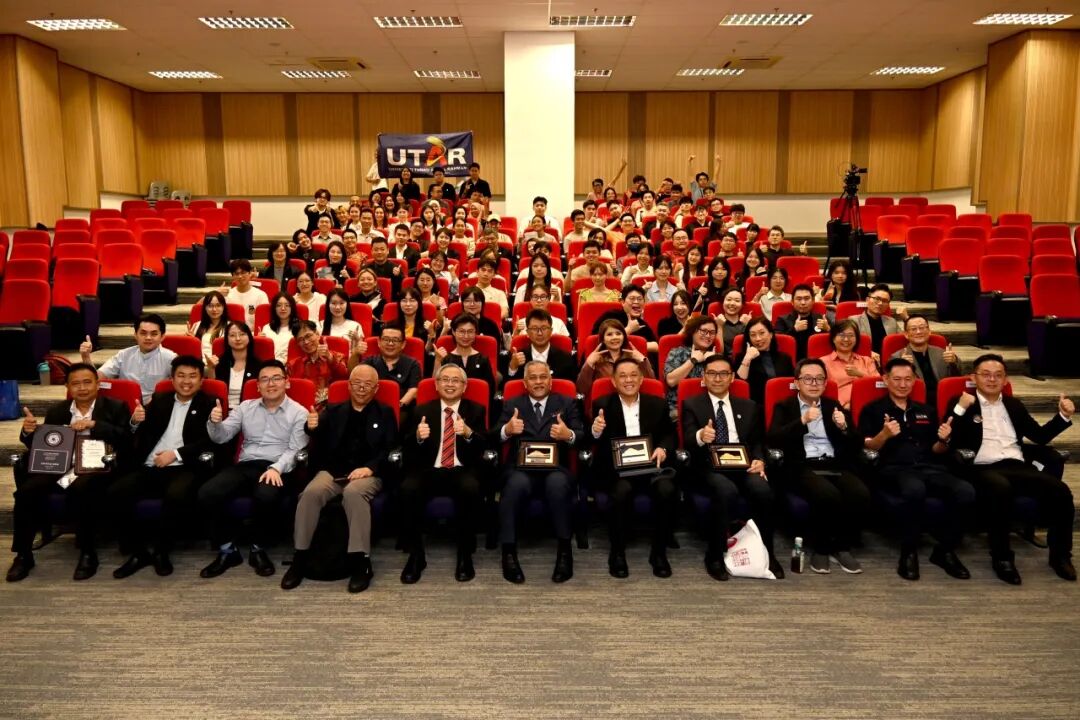
Launched by the Belt and Road Architectural University International Alliance (BRAUIC), a cooperation platform for global architectural higher education, the competition reached its seventh edition this year, hosted by Beijing University of Civil Engineering and Architecture, Universiti Tunku Abdul Rahman and the Malaysian IJM Group.
Set in Klang’s new town, this year’s brief addressed sustainable urban renewal in cities along the Belt and Road. A royal capital of Selangor and a key node of the 21st-century Maritime Silk Road, Klang is home to Malaysia’s largest cargo port and the second largest in Southeast Asia, with port logistics, international trade and distinctive local industries as its economic pillars. Reading the site as the strategic gateway between Kuala Lumpur and Klang, the Tongji team responded to traffic congestion, a shortage of public meeting spaces and functional gaps with a frictionless LINKS concept: loop-based circulation and multi-level connections that improve the slow-mobility experience across the district, and incremental growth of functional modules adapted to the new town’s sustainable development.
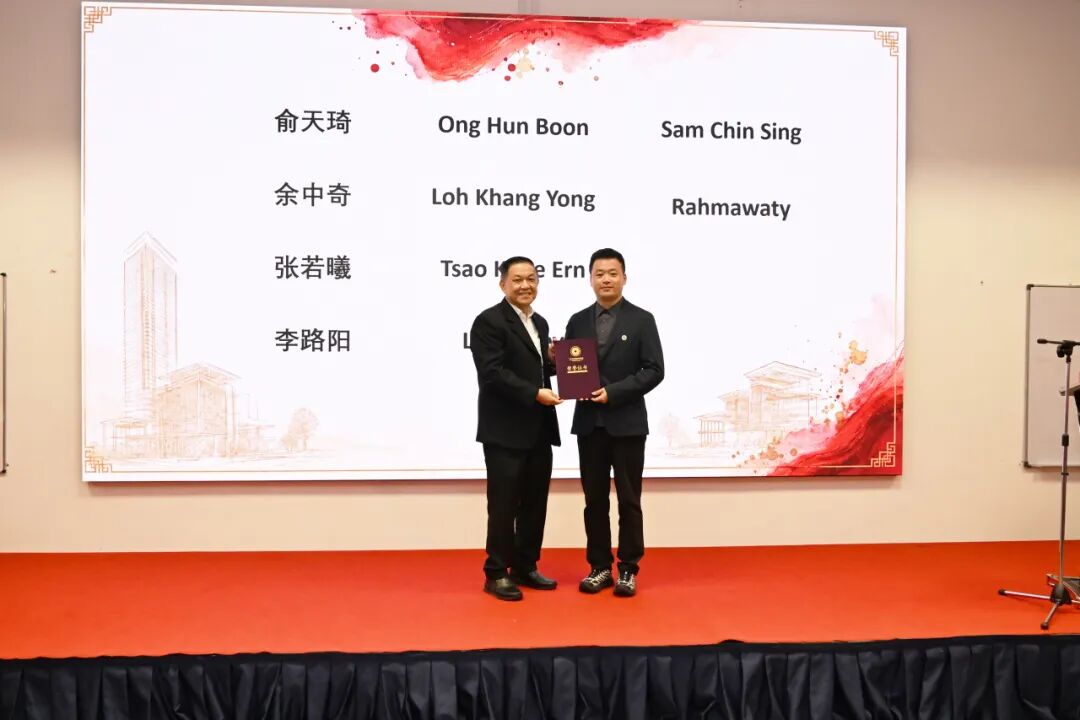
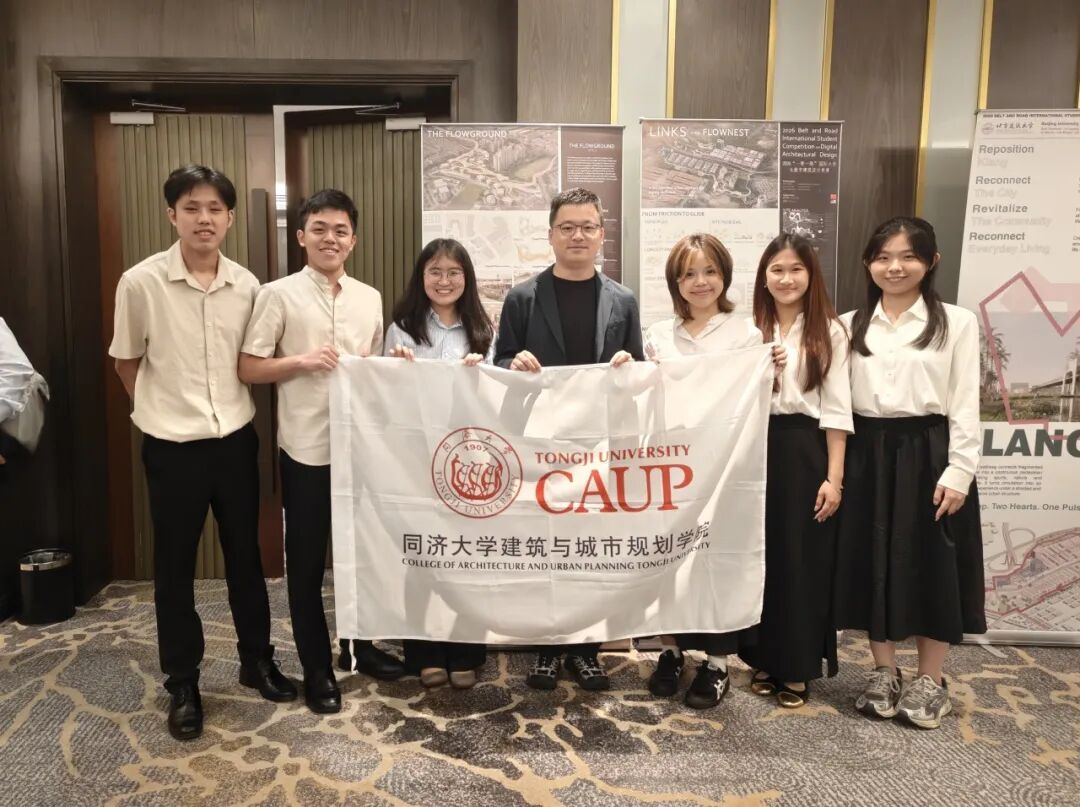
The result marks another milestone in CAUP’s internationalisation. All six team members are international students enrolled in the college’s Chinese-taught programme; returning to their homeland to compete, with the team organised under TANG Yadong and YANG Guan, exemplifies the college’s “bringing in and going out” approach to global engagement in education.

NO.1239 Rd. Siping, SHANGHAI


