 ABOUT US
NEWS

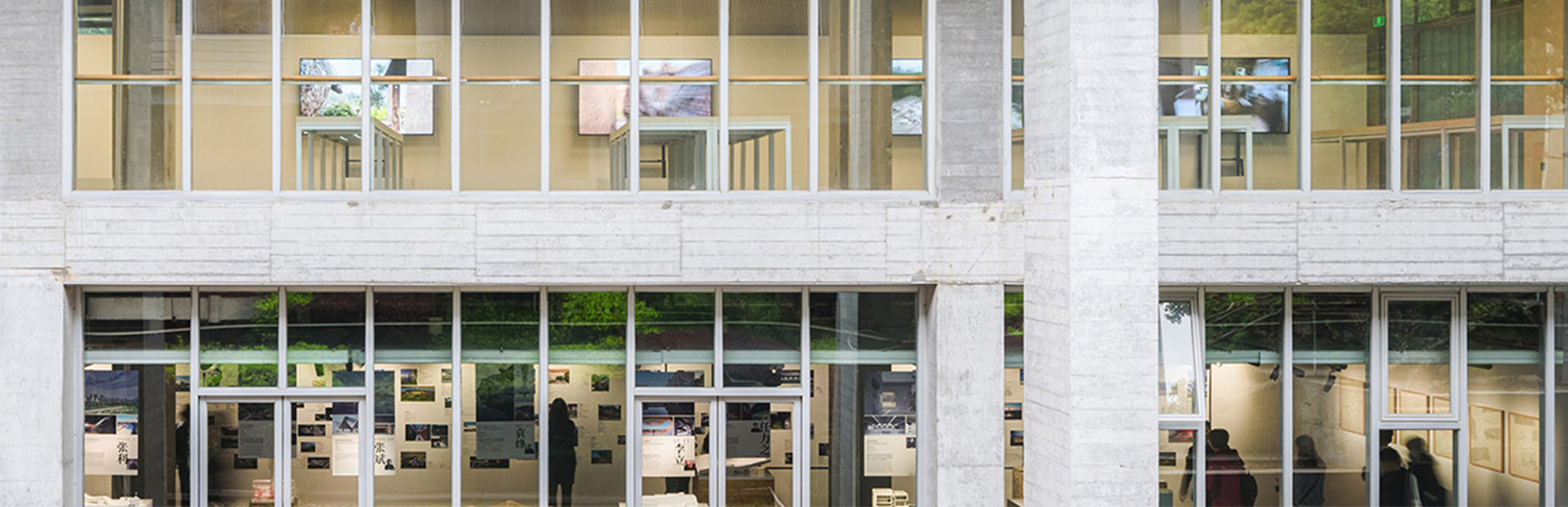
The 2026 Tongji University CAUP International Design Summer School was successfully held from July 20 to 24, organized by the Department of Architecture at the College of Architecture and Urban Planning (CAUP), Tongji University. Under the theme Shanghai Lab: The Re-Figuration on Architecture and Urban Space, the program brought together over 80 students and faculty members, more than 50 of whom traveled from Europe, Asia, Africa, and the Americas.
Now in its 17th consecutive year, the summer school took Shanghai's Nanjing Road Pedestrian Street as its primary research site. Through keynote lectures, field investigations, design workshops, and collaborative teaching, participants examined urban space, architectural space, infrastructure, social networks, digital-intelligent space, and future heritage — exploring the dynamic mechanisms through which architecture, public space, and social relations evolve during urban regeneration.
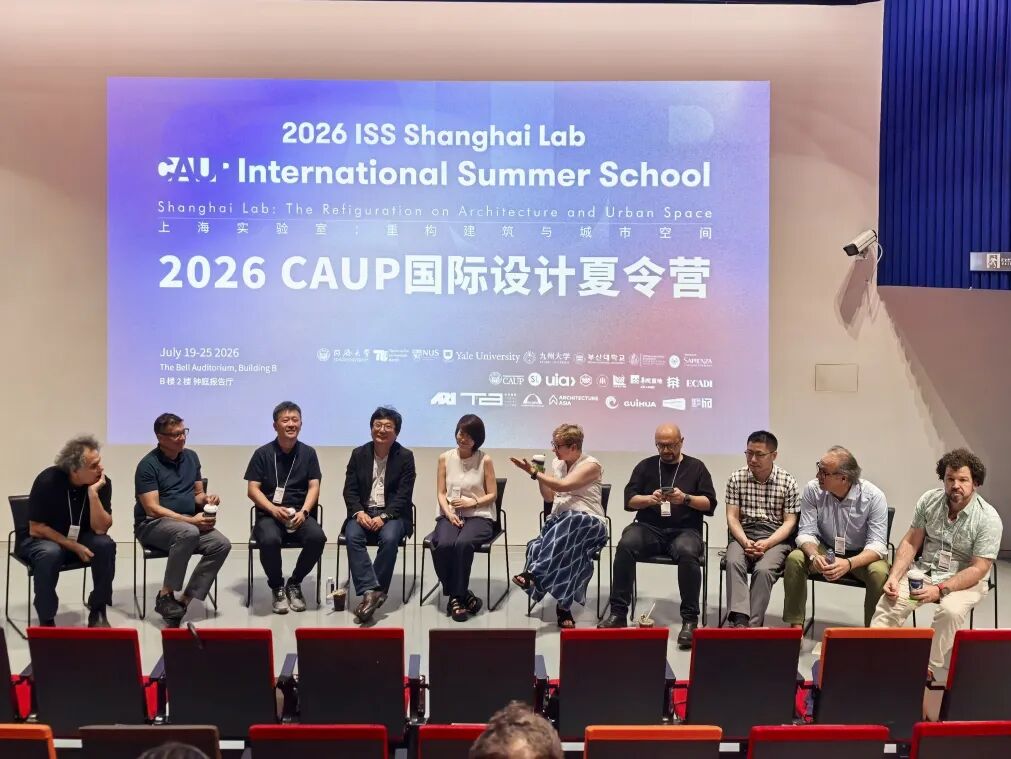
The opening ceremony on July 20 featured remarks from leading scholars and university leaders, including Professor Zheng Shiling of the Chinese Academy of Sciences, Professor Li Xiangning, Vice President of Tongji University, Professor Yin Wen, Director of the University's Office of International Affairs, Professor Wang Zhendong, Party Secretary of CAUP, Professor Chen Chen, Associate Dean of CAUP, and Professor Sunil Bald of Yale University, who spoke on behalf of the international teaching faculty.
Three keynote lectures followed. Professor Angela Million (TU Berlin) approached re-figuration as a design lens for understanding how buildings, streets, and infrastructure are shaped by memory, regulation, technology, and social practice. Professor Sunil Bald (Yale University) explored how materials, craft, and cultural contexts construct spatial narratives. Professor Kwan Ok Lee (National University of Singapore) addressed the 15-minute city, analyzing the relationship between neighborhood facilities and urban centers and the role of accessibility and community participation in city-making.
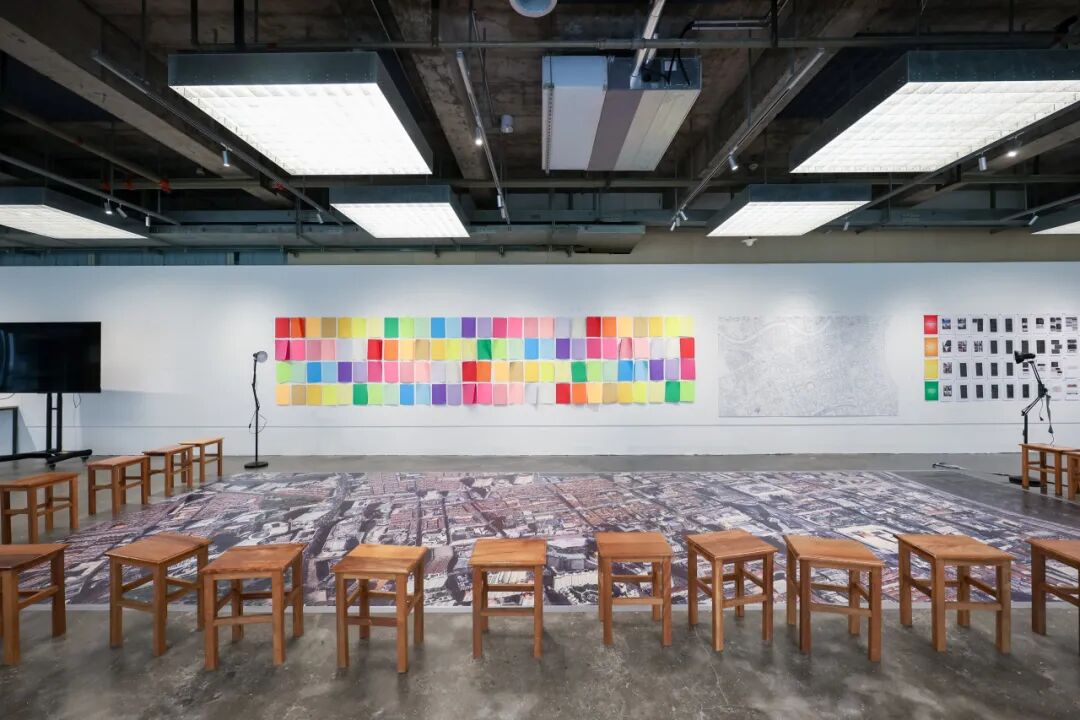
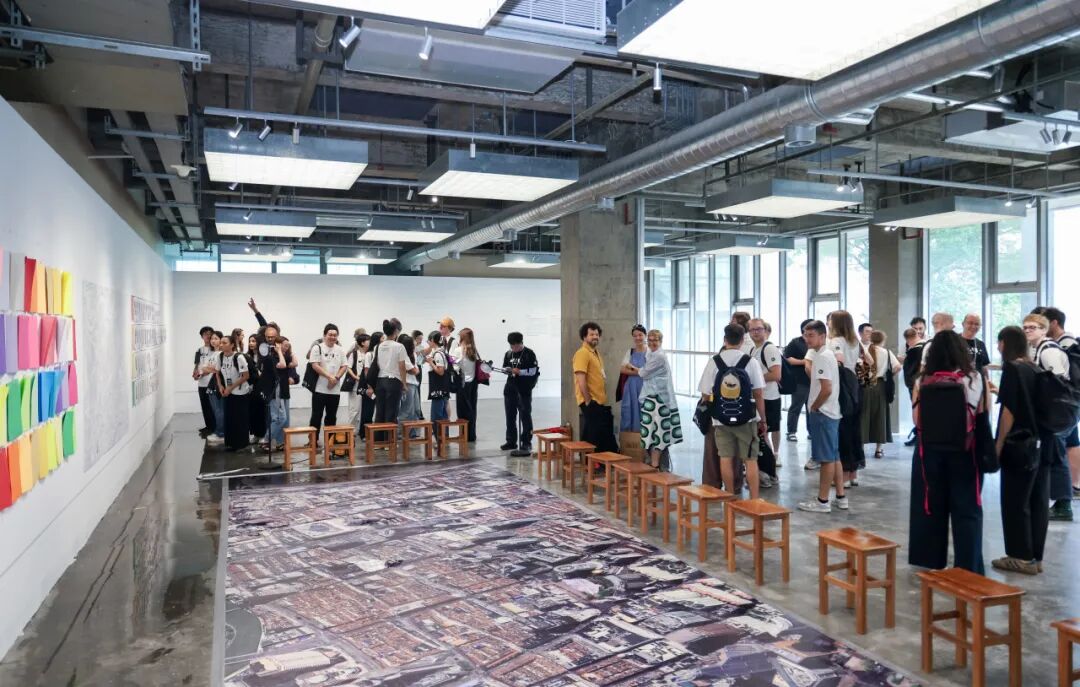
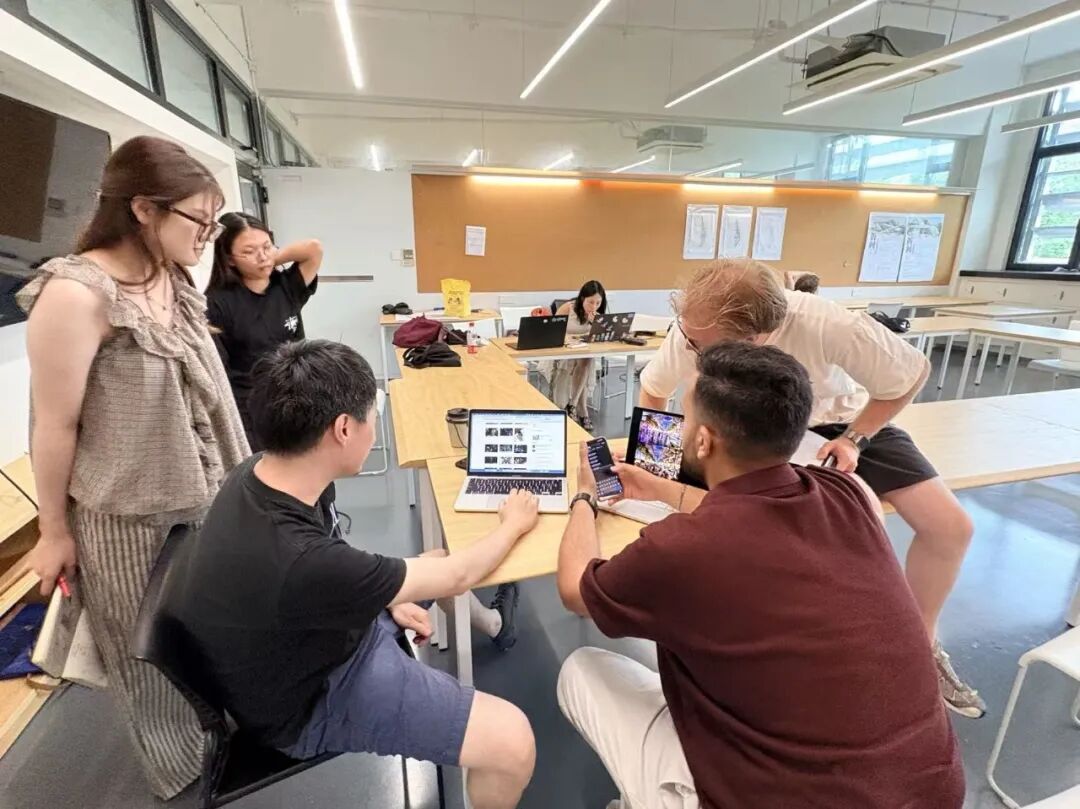
Participants were organized into five research groups and one special research group, each tackling interdisciplinary perspectives on Nanjing Road. Over the following days, fieldwork included visits to the China Resources Suhewan headquarters for a macro-scale reading of Shanghai's urban fabric, the Shanghai Urban Planning Exhibition Hall for historical context, and five dedicated on-site walking surveys along Nanjing Road. Afternoon lecture sessions featured faculty from Tongji University, TU Berlin, Sapienza University of Rome, University of Florence, Pusan National University, Kyushu University, and the University of Pavia.
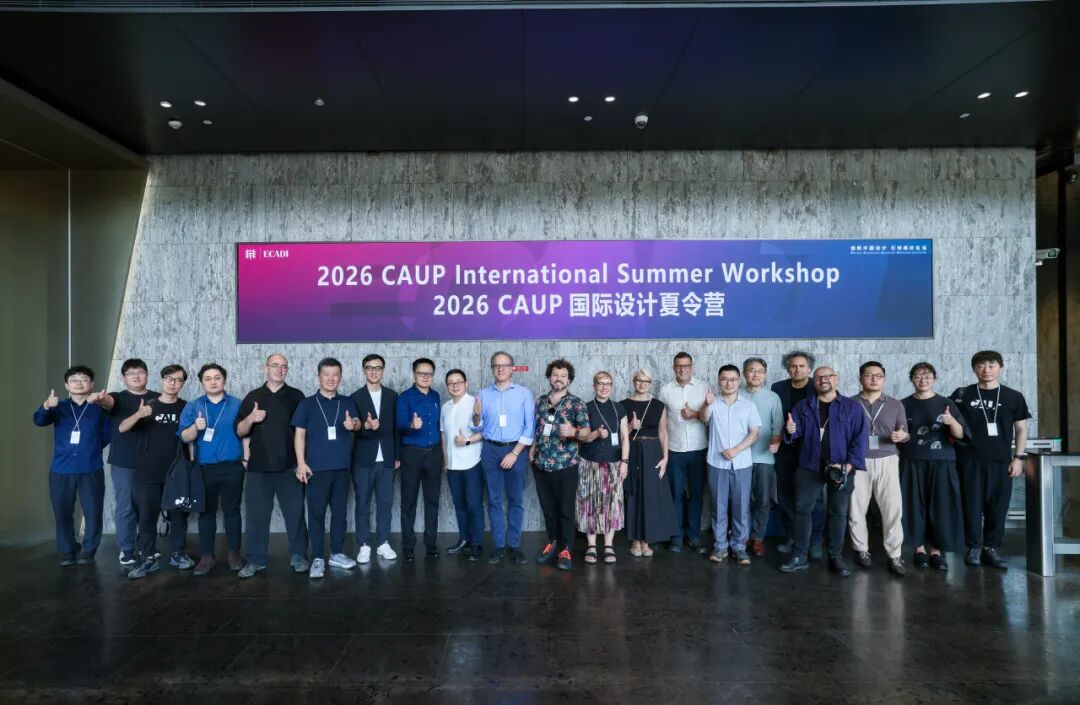
The final presentation session on July 24 was held at East China Architectural Design & Research Institute (ECADI), a key partner of the program. Professor Philip F. Yuan, Dean of CAUP, delivered concluding remarks, noting that Nanjing East Road — a landmark space with deep historical significance — faces new challenges including climate change, high-density pedestrian flows, and underutilized vertical space, calling on the next generation of designers to rethink urban renewal. He also emphasized that even as artificial intelligence transforms architectural tools, spatial thinking and drawing remain vital skills to be enhanced through human-AI collaboration.
The summer school concluded with the presentation of completion certificates and student volunteer honors, marking a week that connected global perspectives, real urban questions, and professional design practice around one of Shanghai's most iconic streets.

NO.1239 Rd. Siping, SHANGHAI


