 ABOUT US
NEWS

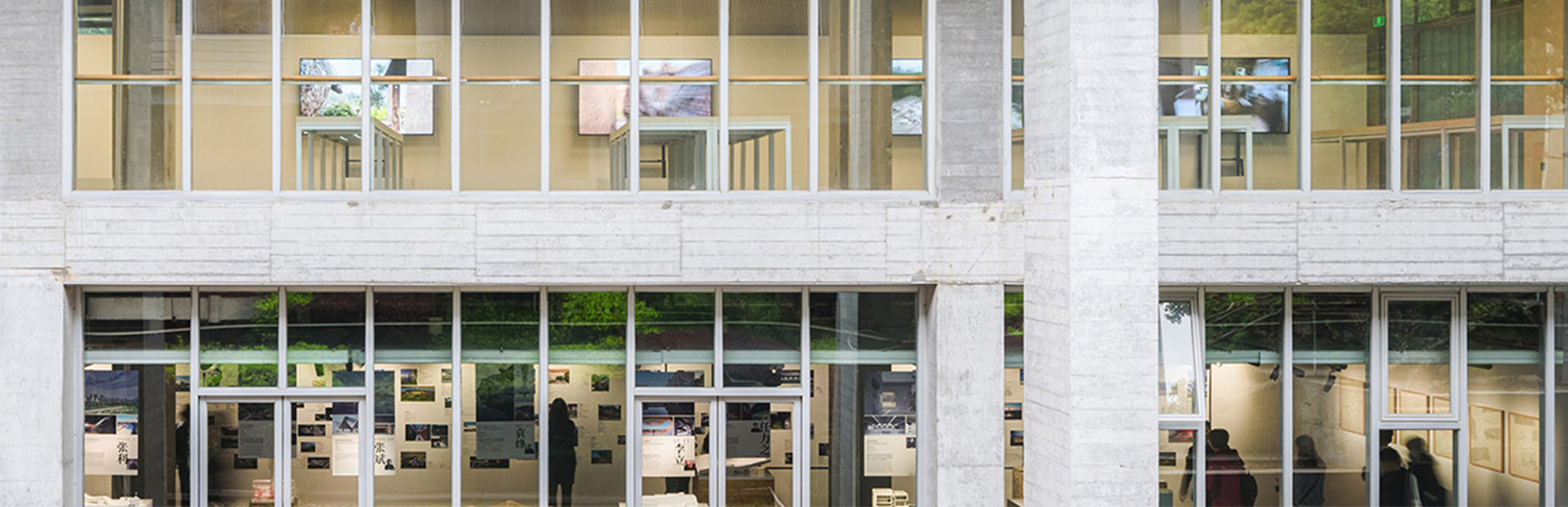
In July 2026, the College of Architecture and Urban Planning (CAUP) at Tongji University and the School of Architecture and Civil Engineering at Jinggangshan University concluded a two-week joint surveying and mapping practicum in the Ji'an region of Jiangxi Province. Twenty-one students from Tongji and seven from Jinggangshan participated, led by Associate Professors Liu Diyu and Zhou Yizhi from Tongji and Zou Jiabin from Jinggangshan University.
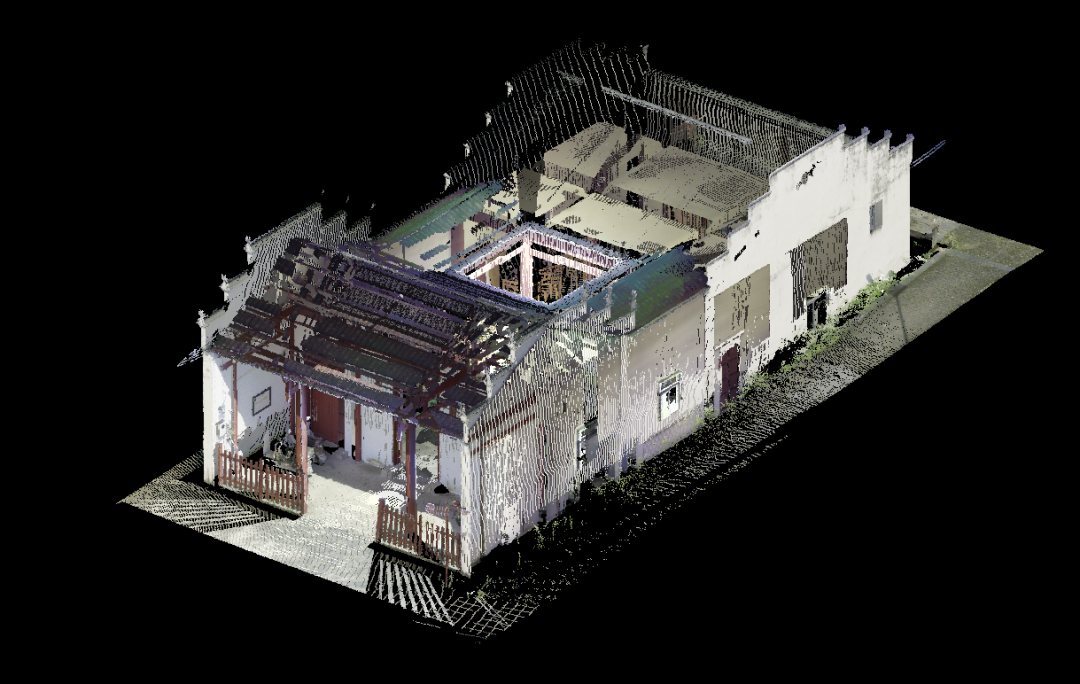
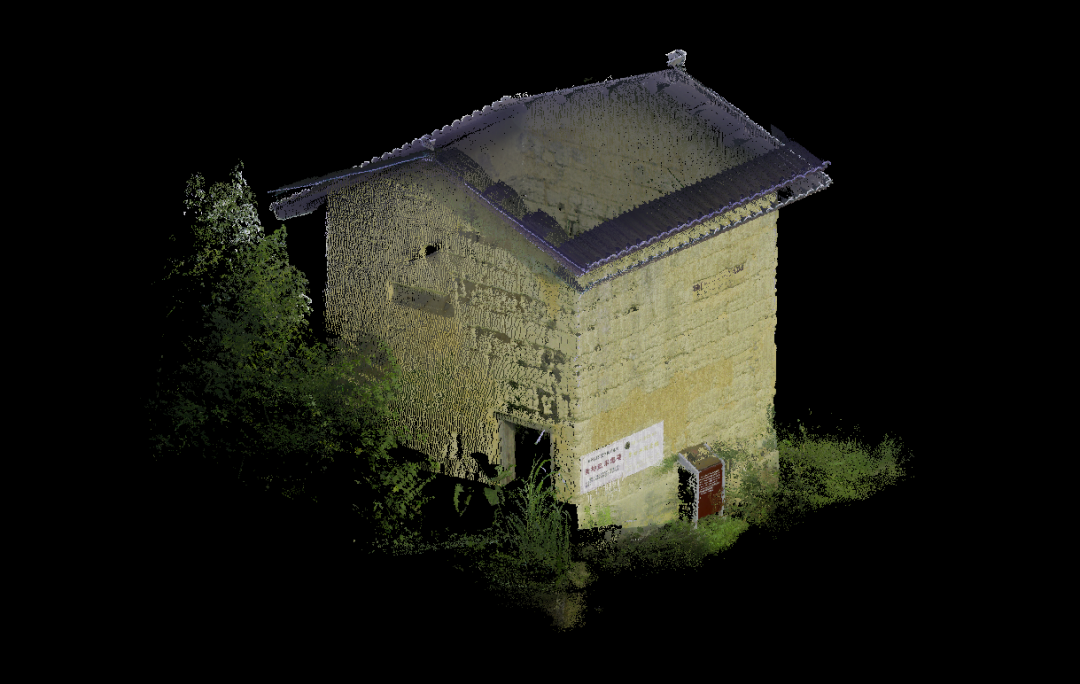
The practicum centered on the systematic documentation of cultural heritage in southern Jiangxi, covering traditional villages, ancestral halls, and vernacular dwellings of historical significance. Through a multidisciplinary approach integrating architecture, history, and anthropology, students examined regional building characteristics and explored the cultural layers embedded in the historic built environment.
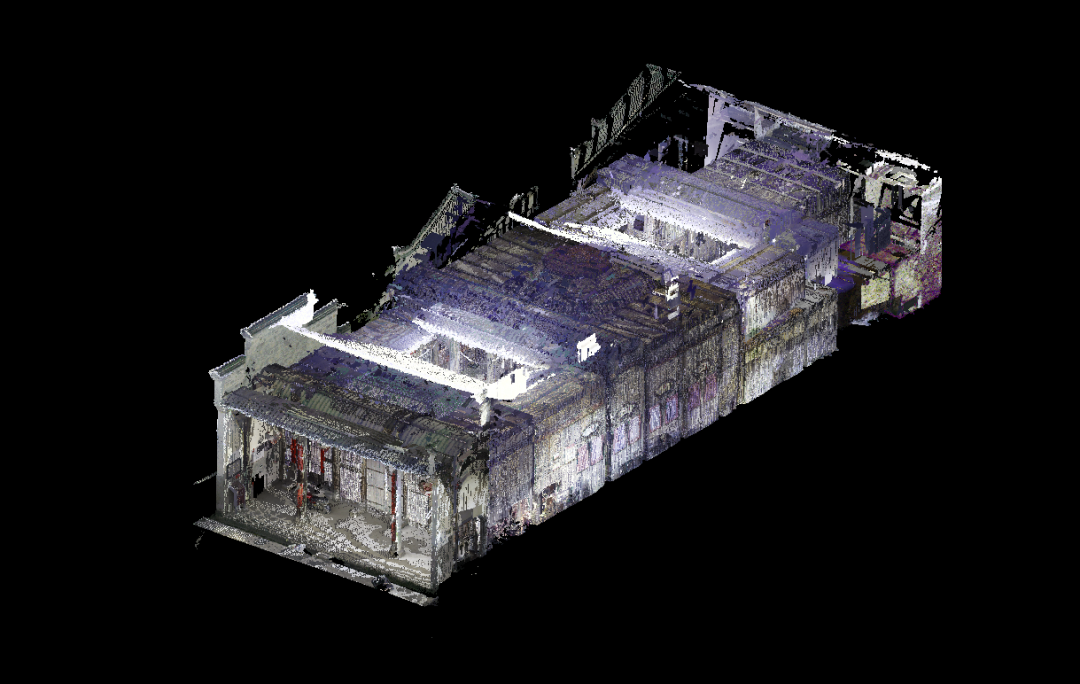
Working in mixed teams across institutional boundaries, students completed the full cycle of field surveying and indoor drafting—from establishing control points and operating instruments to error verification and final output production. Despite intense summer heat, participants maintained rigorous surveying standards throughout, translating classroom theory into practical competence.
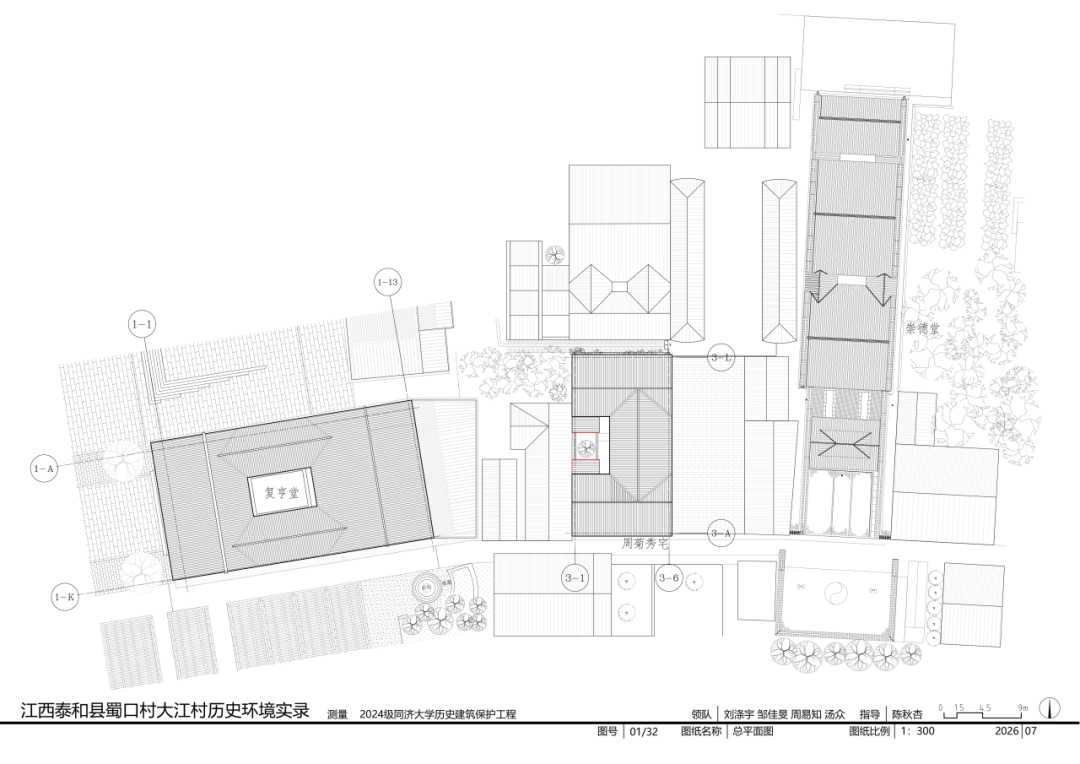
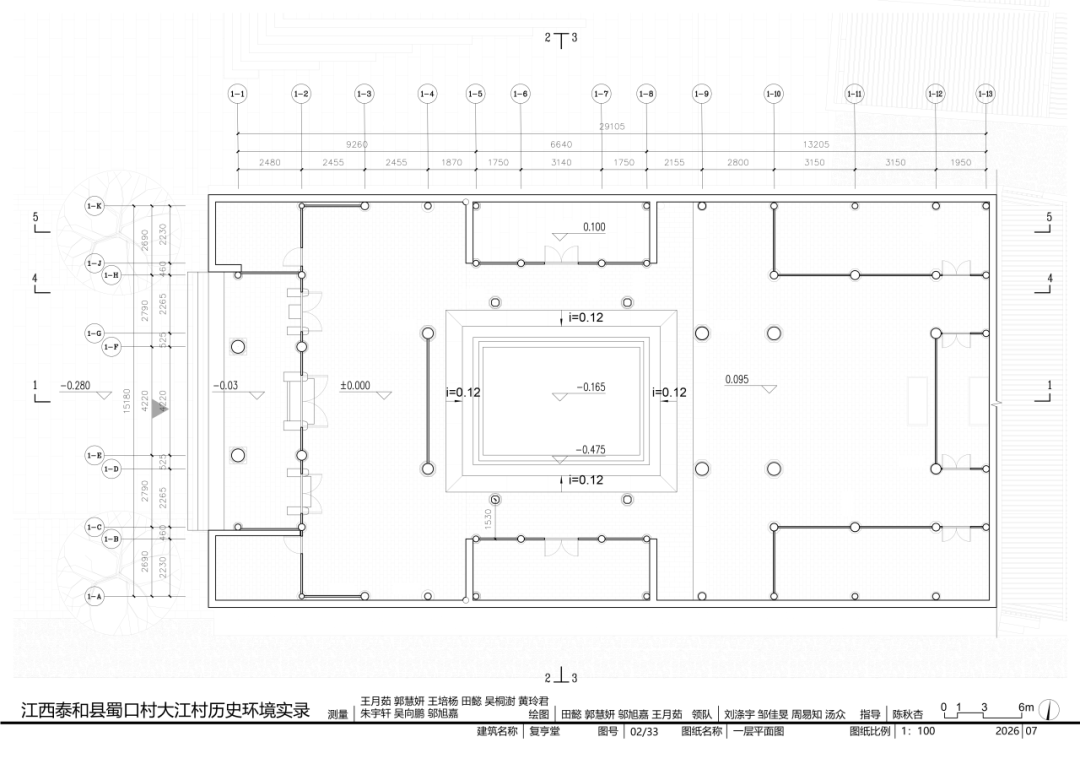
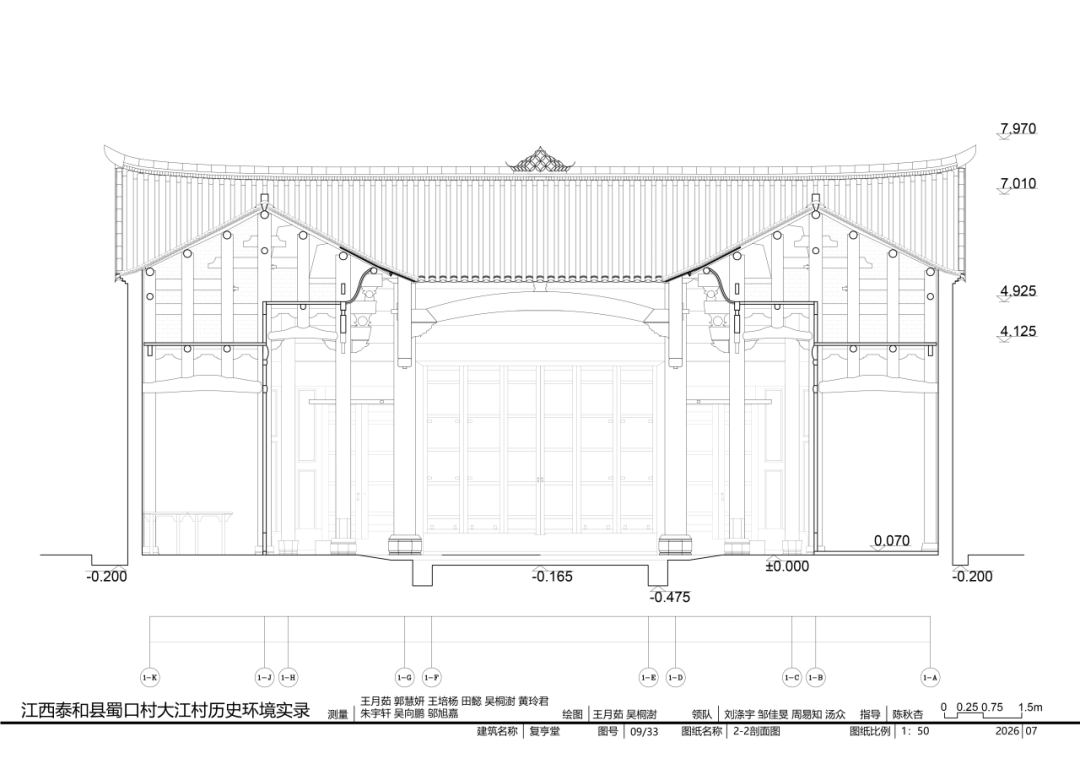
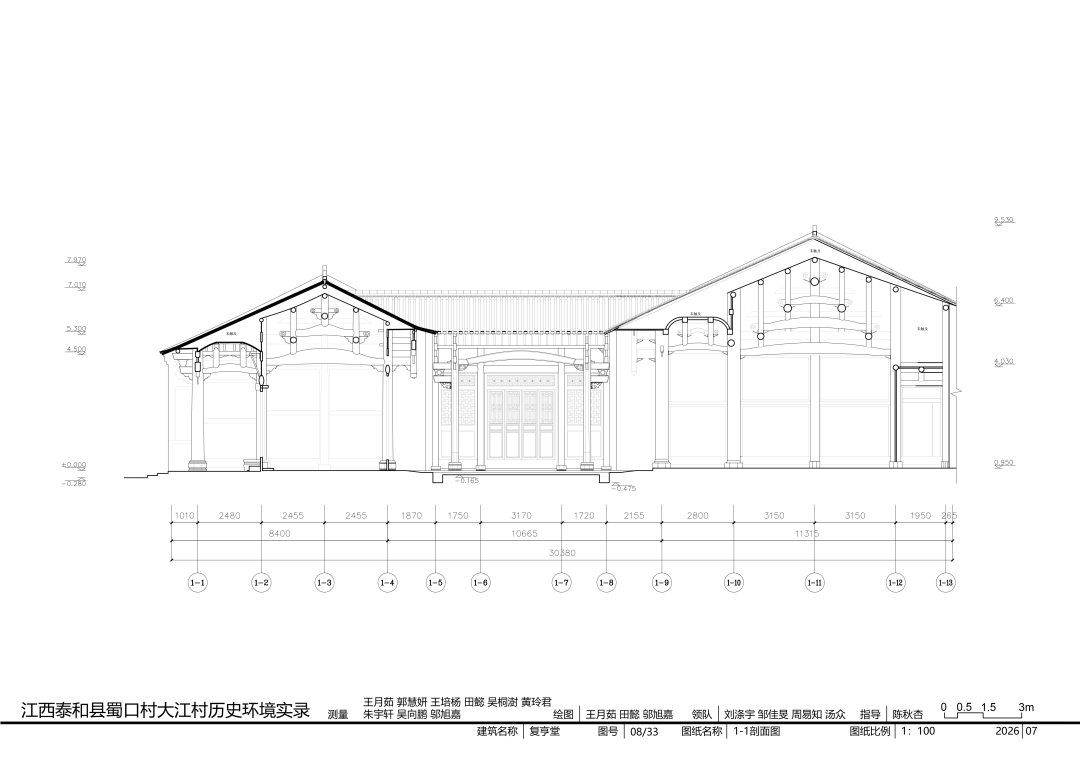
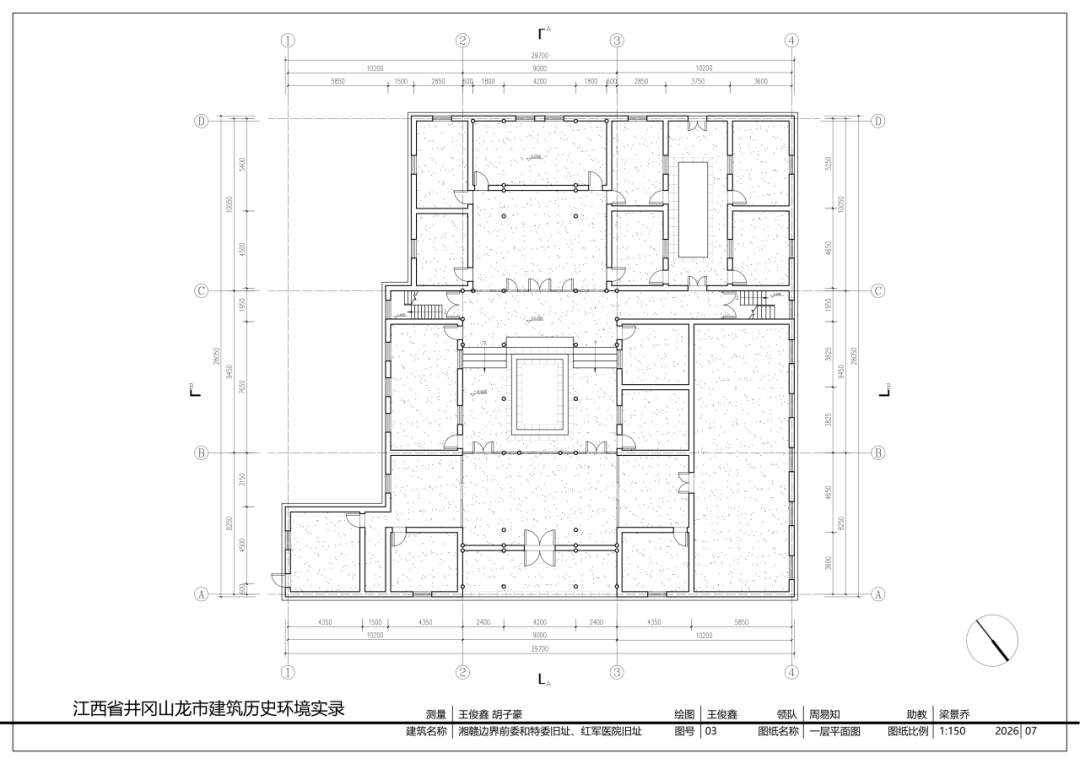
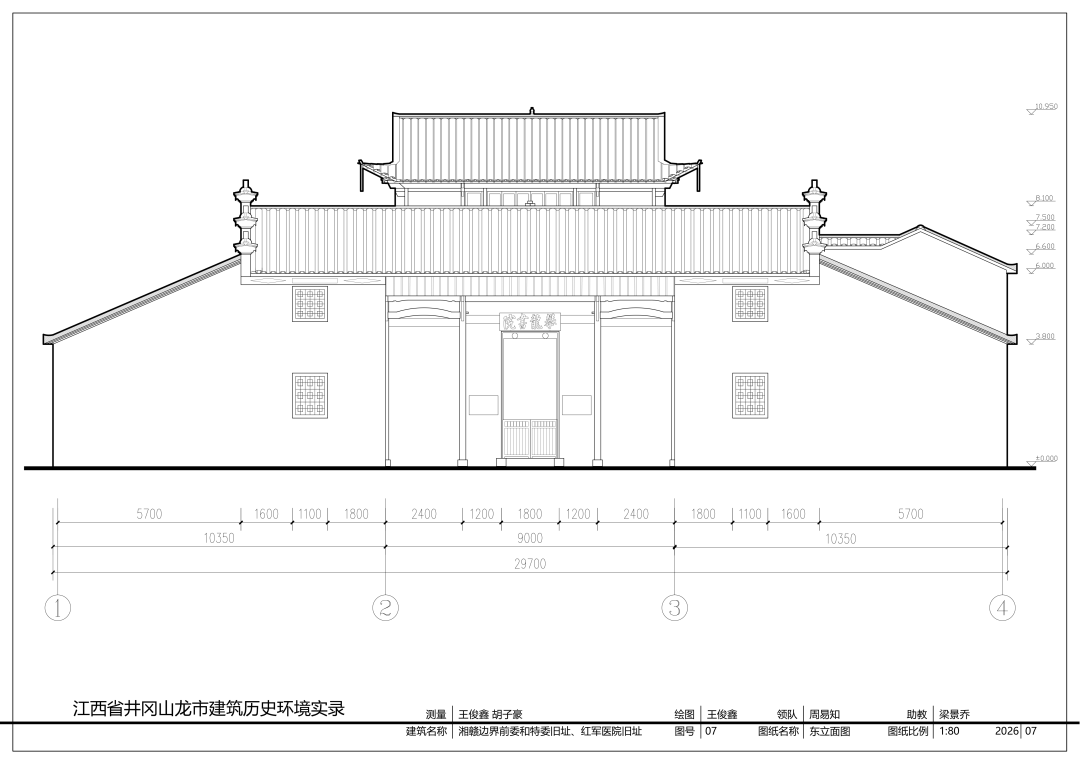
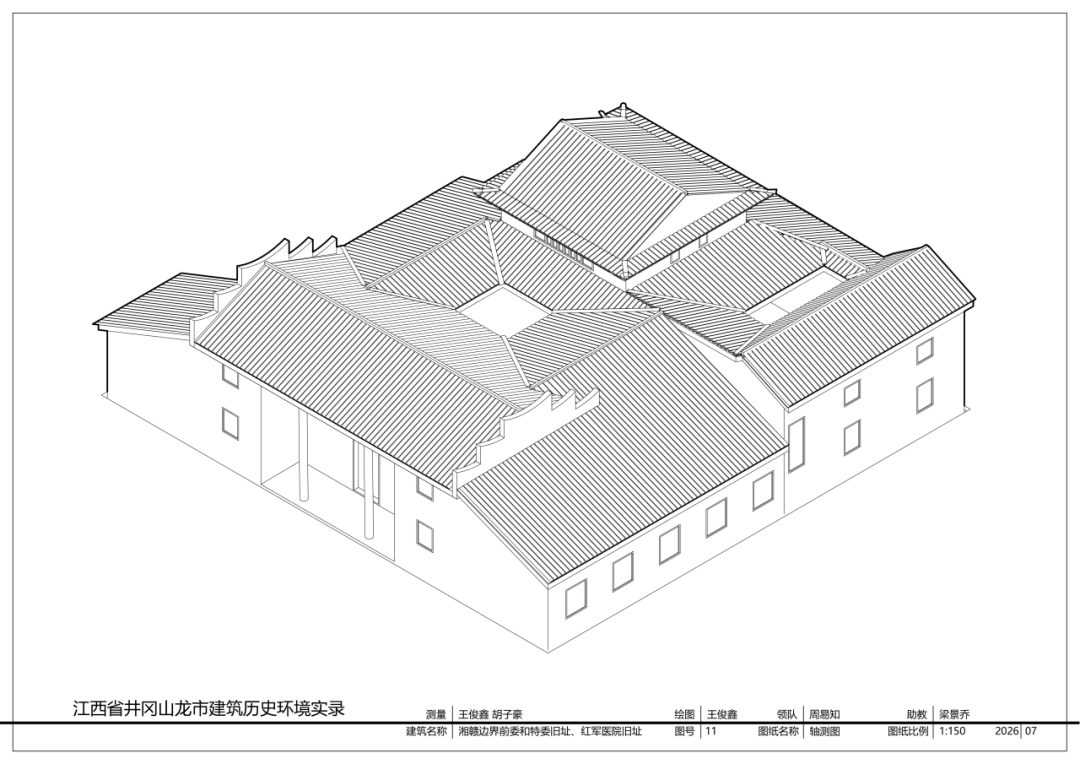
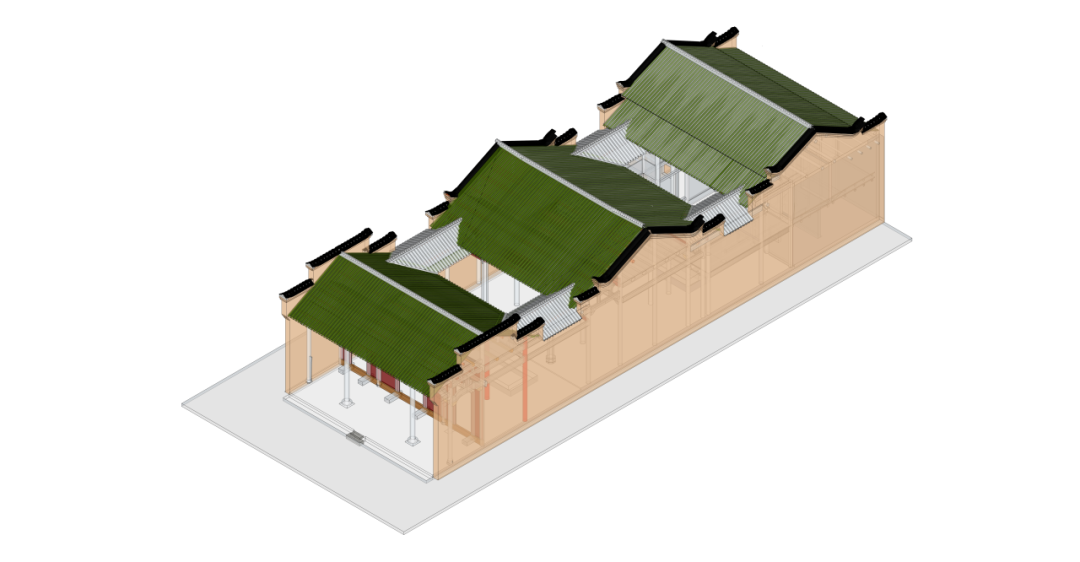
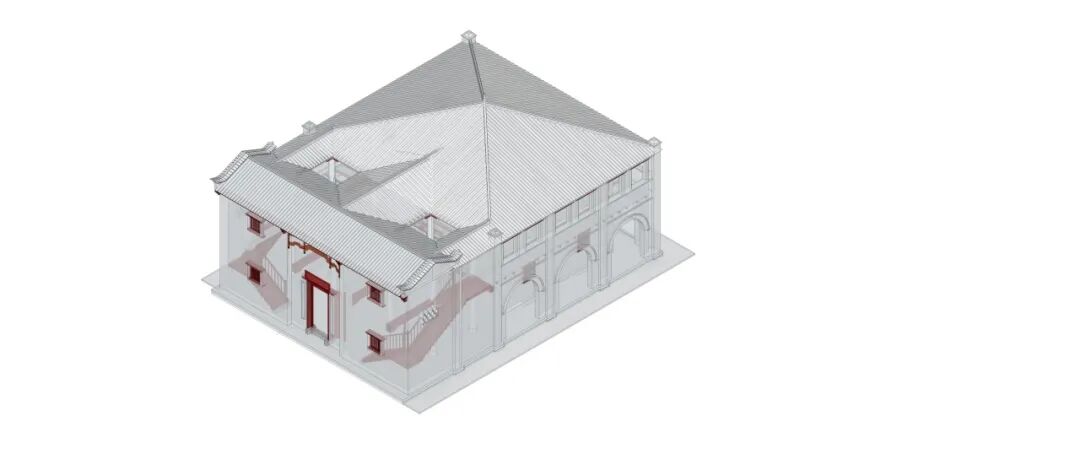
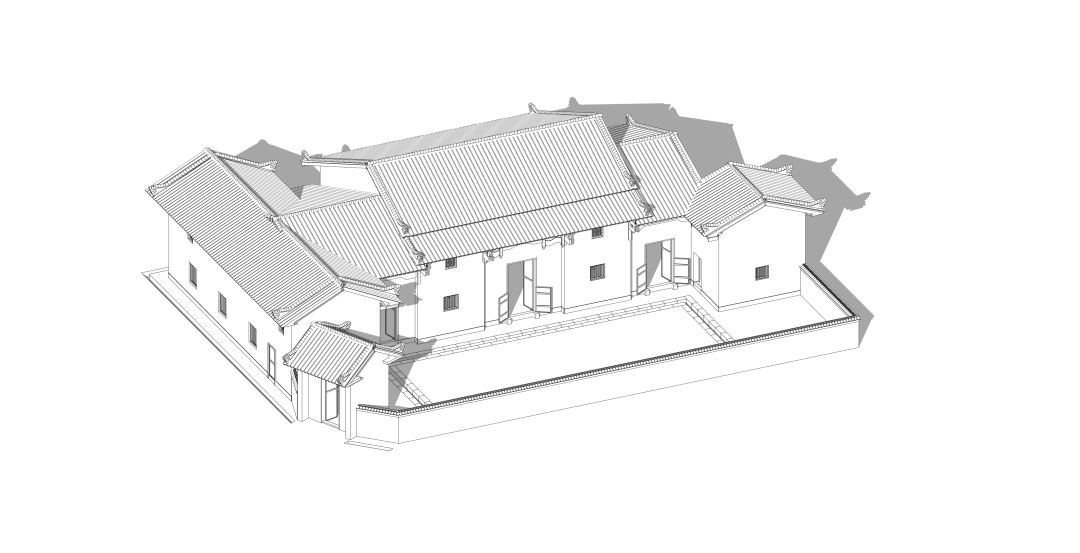
One team documented nine protected heritage sites of national, provincial, and municipal significance, conducting digital recording of historic structures in need of conservation attention. A second team surveyed ancestral halls—Chongdetang and Fuhengtang in Shukou Village, Taihe County—alongside a registered immovable cultural relic residence. Local craftsmen were invited to share traditional construction techniques, including timber jointing, wall construction, and structural assembly. Their oral instruction enabled students to move beyond measurement and drafting toward a deeper understanding of the architectural logic and cultural knowledge embedded in historic buildings.
The program concluded on July 22 with a joint review and teaching seminar at Jinggangshan University, where both institutions reaffirmed their commitment to deepening collaboration in heritage education, research, and public service.
This practicum demonstrates how immersive field training can equip future architects to document, interpret, and safeguard China's architectural and cultural heritage for generations to come.

NO.1239 Rd. Siping, SHANGHAI


