 ABOUT US
NEWS

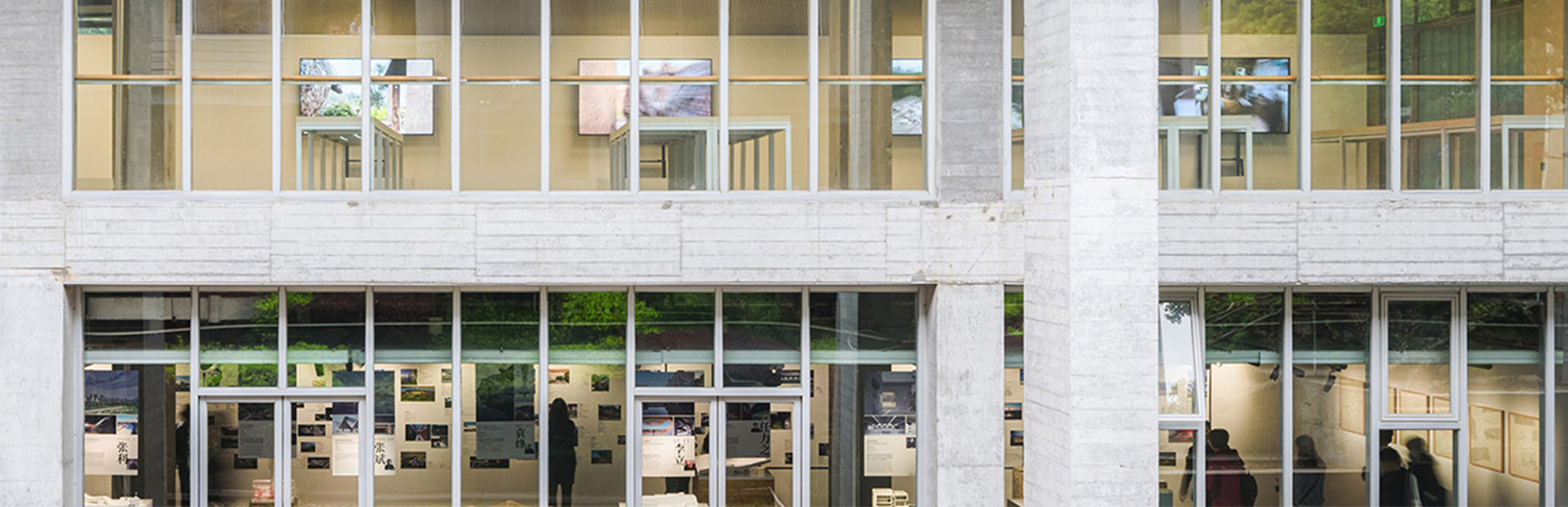
The team led by Academician Wu Zhiqiang at the College of Architecture and Urban Planning (CAUP), Tongji University, has recently received an acceptance notice from Nature Climate Change. With this, the team has produced three significant publications across the Nature portfolio in the first half of 2026, marking a new peak in their sustained effort to discover urban patterns.
The three papers are:
·The linkage between microbial community dynamics and urbanization age, published in Nature Sustainability (2025 Impact Factor: 32.1);
·Urbanization processes widen global divergence in extreme temperature variability, published in Nature Communications (2025 Impact Factor: 18.1);
·Divergence between physical and emotional heat resilience in Chinese cities, accepted by Nature Climate Change (2025 Impact Factor: 26.9), forthcoming.
These three studies investigate the environmental, climatic, and social response patterns of urbanization from complementary angles — urban environmental micro-mechanisms, extreme temperature fluctuations, and urban heat resilience — collectively demonstrating the team's ongoing pursuit of urban (urban laws and patterns) through big data and artificial intelligence.
This achievement builds on the team's earlier 2024 publication in Nature Communications, Understanding the global subnational migration patterns driven by hydrological intrusion exposure, which revealed subnational-scale migration dynamics shaped by hydrological risks. The three new papers represent a new high point in the team's trajectory of discovering urban patterns.
In recent years, Academician Wu's team has focused on mining urban laws through big data, advancing the cross-disciplinary integration of urban big data, artificial intelligence, and planning science. Their work identifies interpretable, governable, and transferable patterns from complex urban phenomena, providing scientific foundations for sustainable city development.

NO.1239 Rd. Siping, SHANGHAI


