 ABOUT US
NEWS

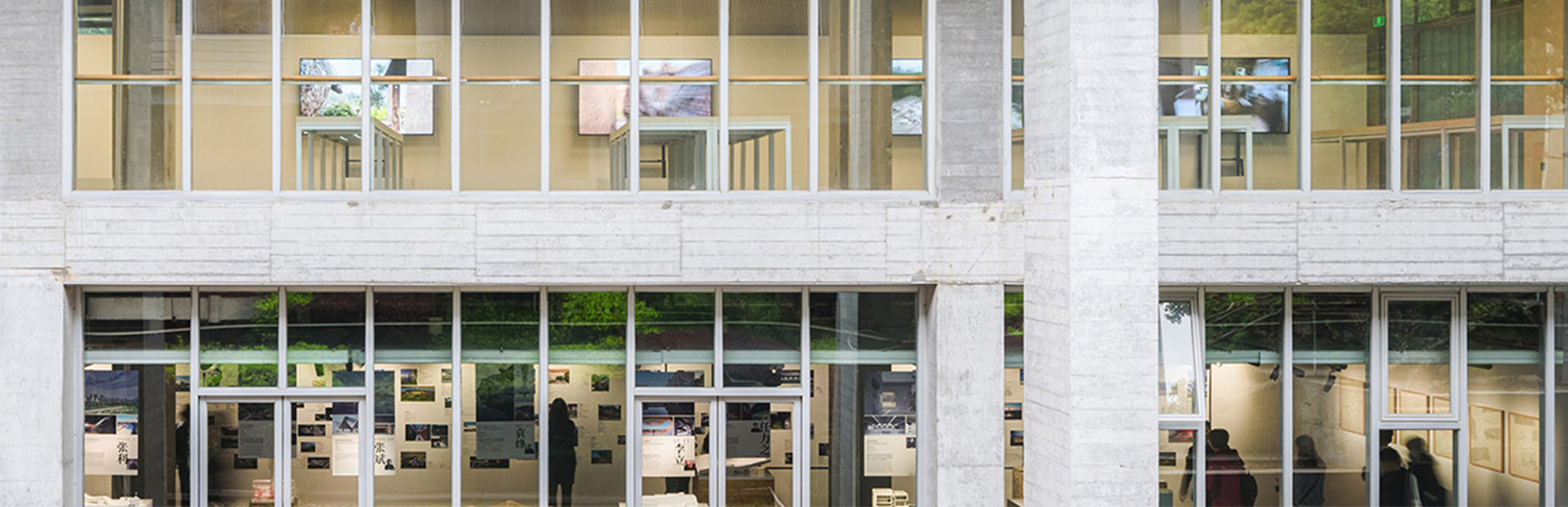
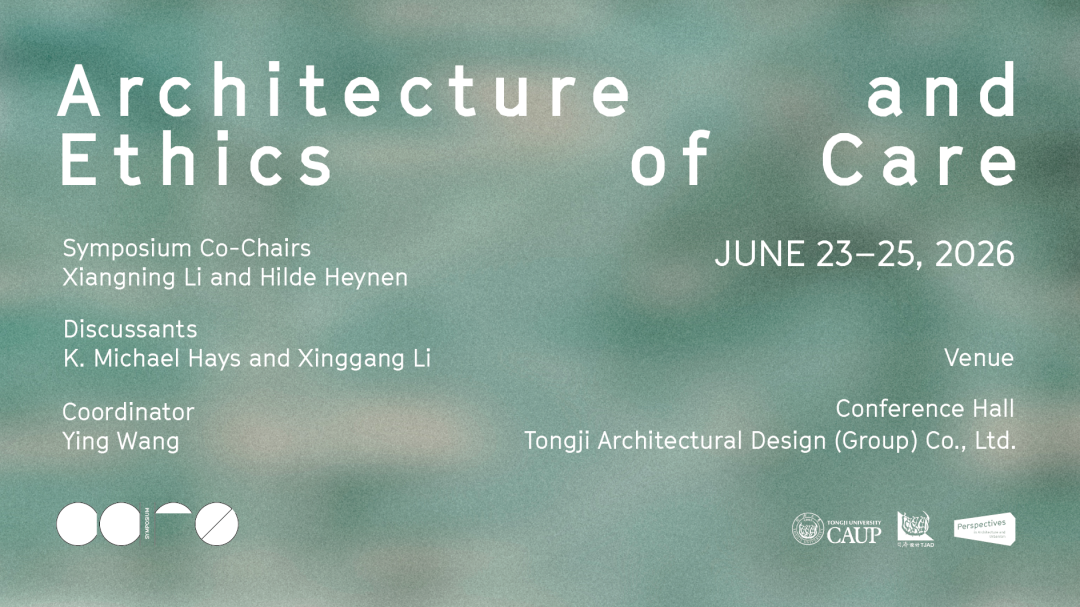
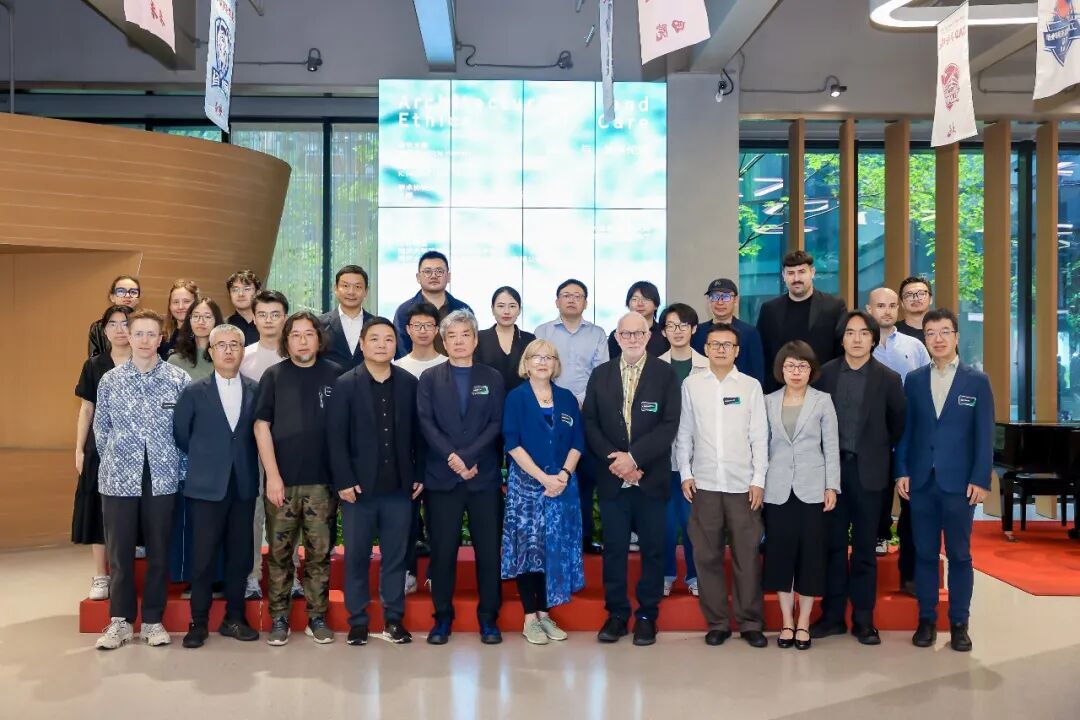
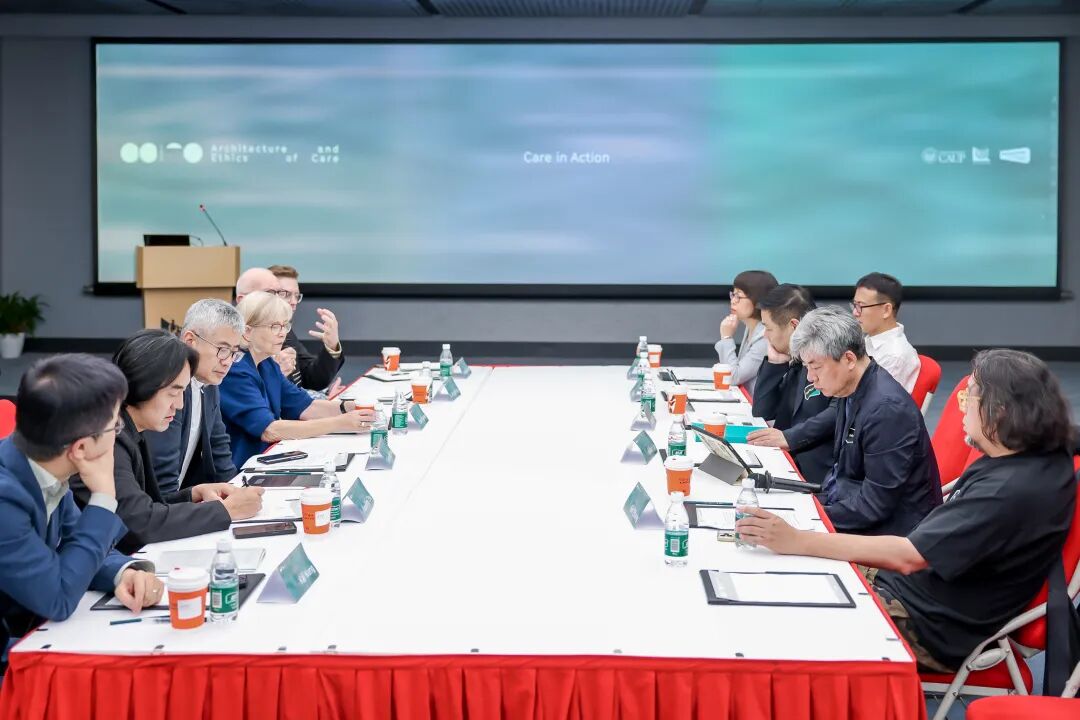
The international symposium “Architecture and Ethics of Care” was held from June 23 to 25, 2026, at Tongji Architectural Design (Group) Co., Ltd. in Shanghai. Bringing together more than 40 scholars and architects from over ten countries, the three-day event examined how the ethics of care can reshape the theoretical foundations and practical approaches of architecture and urbanism.
The symposium was co-chaired by Li Xiangning, Vice President of Tongji University, and Hilde Heynen, Professor at KU Leuven. Distinguished participants included K. Michael Hays, Professor at Harvard University; Li Xinggang, Academician of the Chinese Academy of Engineering and Chief Architect of China Architecture Design & Research Group; architect Liu Jiakun; Tang Shuoning, Chairman of Tongji Architectural Design (Group) Co., Ltd.; and Yang Ming, Chief Architect of East China Architectural Design & Research Institute. Wang Ying, Research Fellow at Tongji University, served as academic coordinator and moderator.
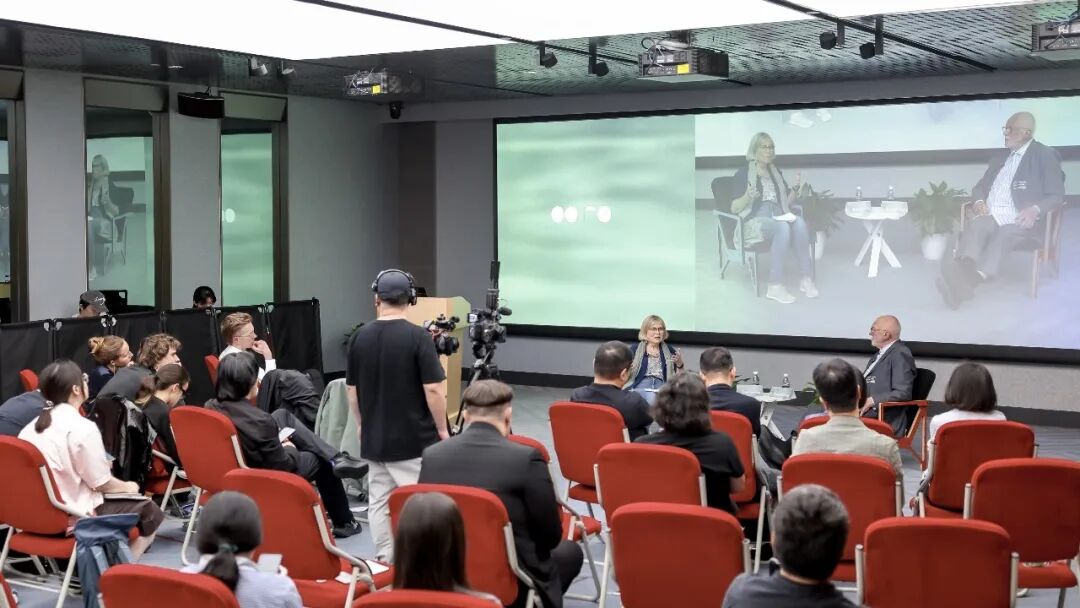
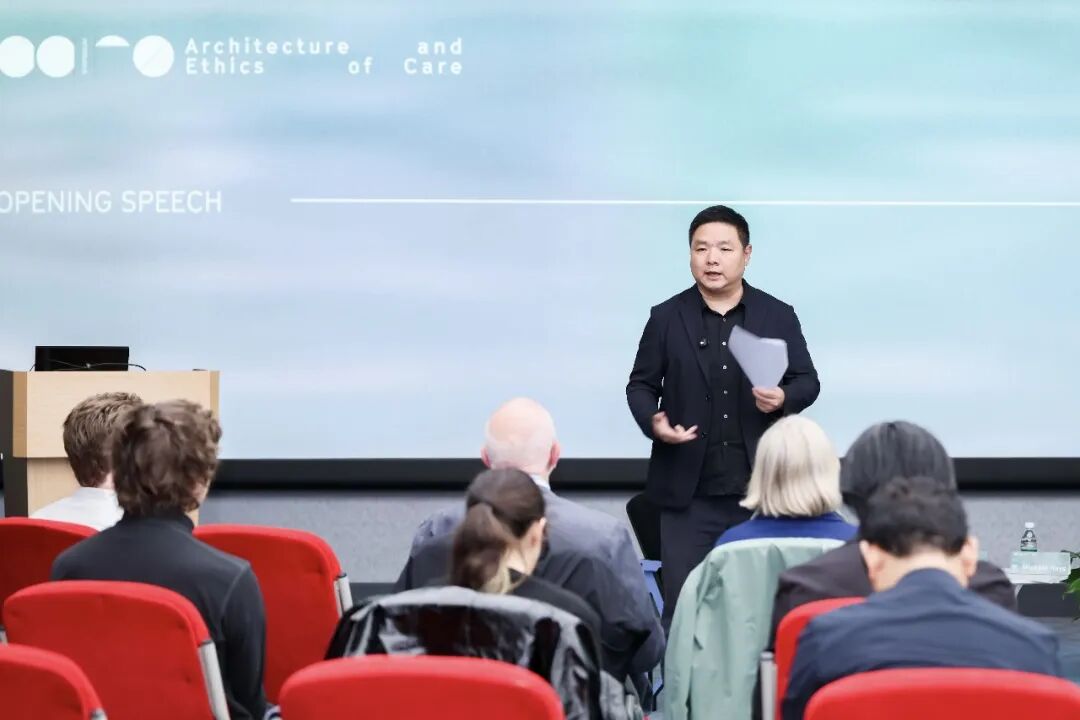
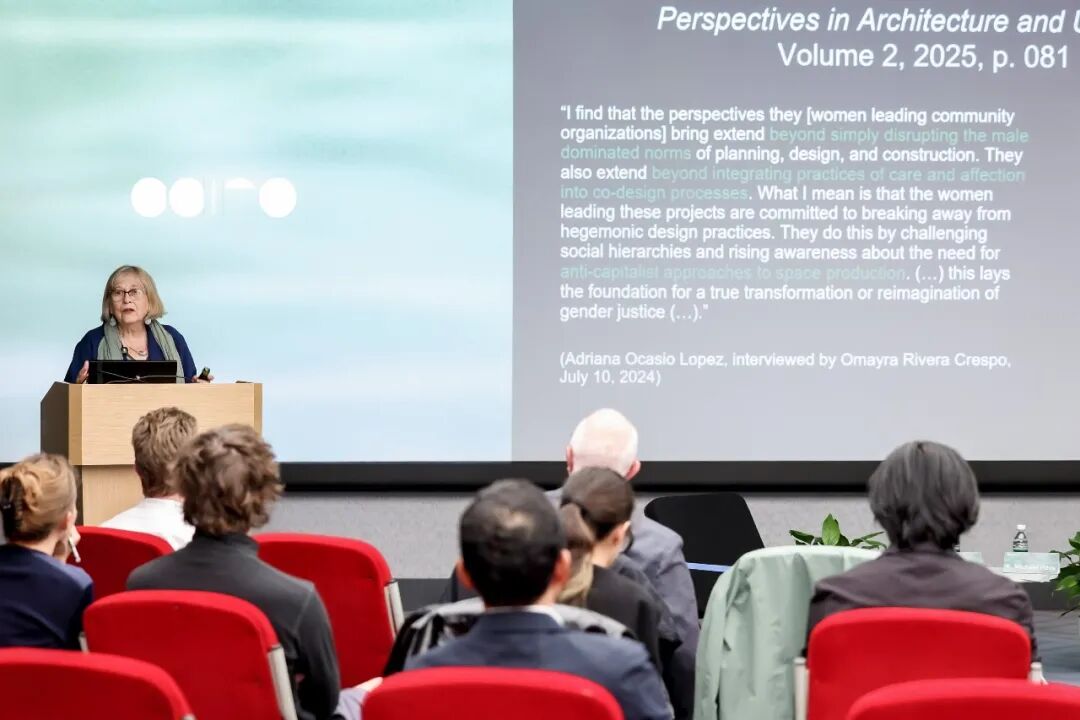
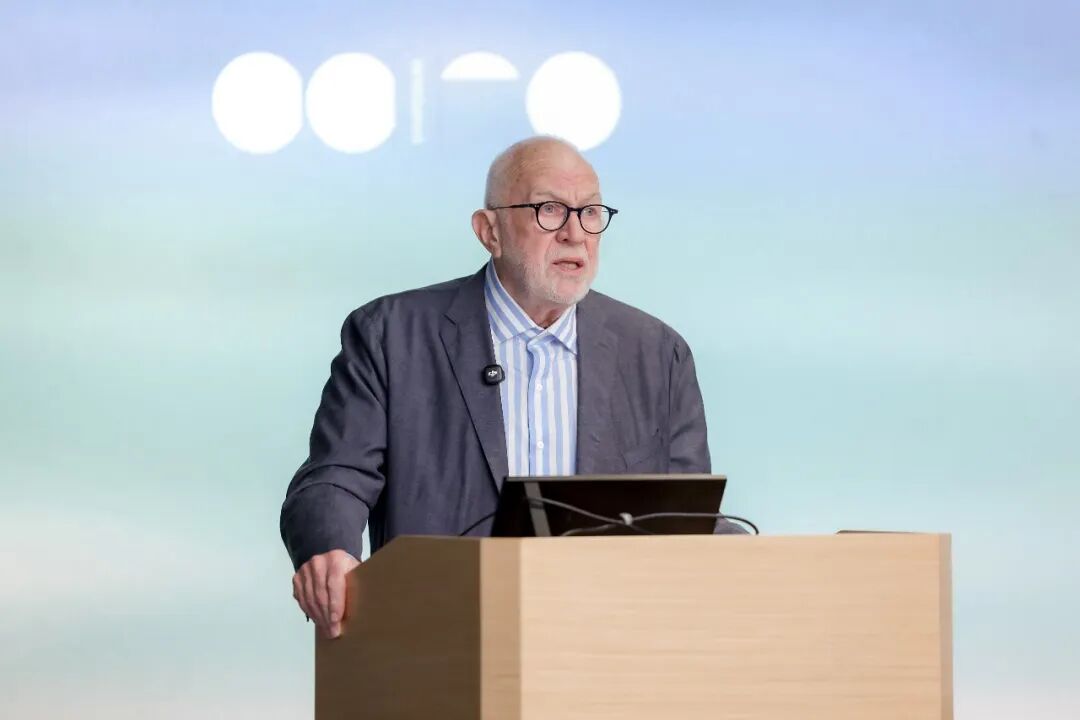
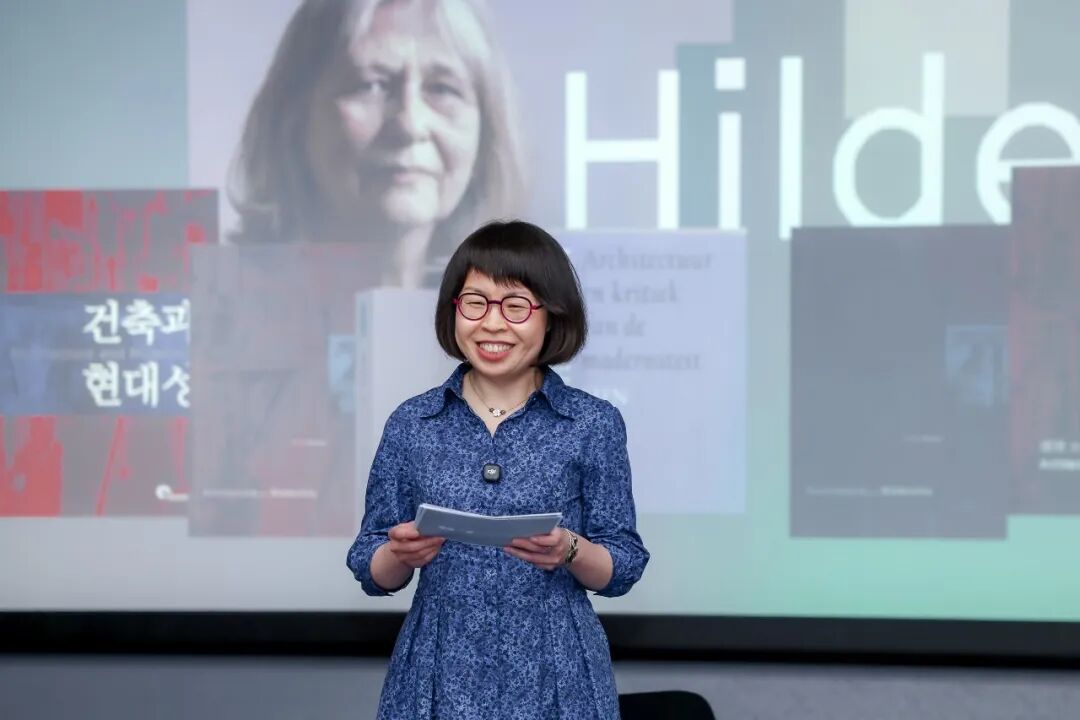
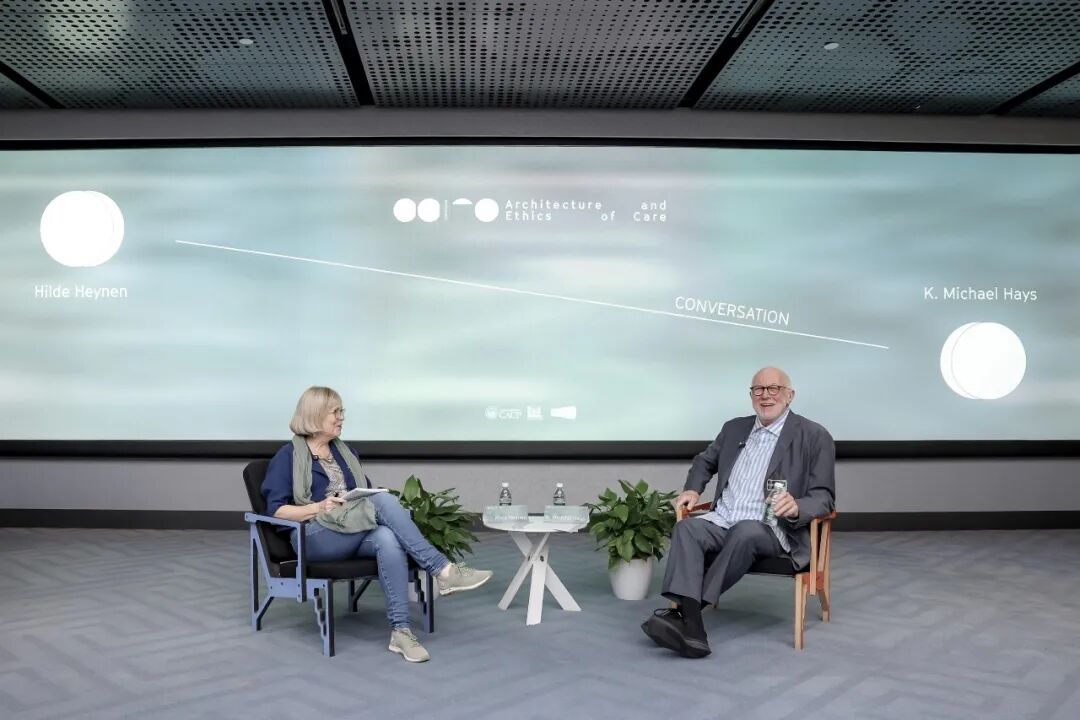
At the opening session on June 23, Li Xiangning delivered the welcoming address, followed by Heynen’s introduction to the symposium’s intellectual framework. Heynen and Hays then engaged in a keynote dialogue on care and architectural autonomy. Their discussion challenged the assumption that disciplinary autonomy and social responsibility are mutually exclusive. Instead, it proposed that formal experimentation can itself become an act of care when it questions established social and spatial norms. Responding to the dialogue, Li Xinggang emphasized that architectural care must connect individual bodily experience with broader environmental and ecological concerns.
The first special session, “Care in Practice,” focused on contemporary architectural work in China. Li Xiangning’s keynote examined care through cultural heritage, everyday life and multispecies coexistence. Liu Jiakun, Zhu Jingxiang of the Chinese University of Hong Kong, and Zhang Bin of Atelier Z+ presented projects addressing negotiated urban conditions, lightweight construction systems and community-oriented public infrastructure. Their contributions demonstrated how architectural practice can respond to complex social needs through modest, adaptable and materially grounded interventions.
The second special session, “Aftercare: Excavating Architectural Narratives from Institutional Archives,” explored the preservation and activation of architectural archives. Martien de Vletter, Associate Director of the Collection at the Canadian Centre for Architecture, shared international experience in collecting, researching and curating architectural records. Matthew Allen of Washington University in St. Louis and Tongji doctoral researcher Tan Ye discussed digital design tools, institutional records and archival research. Participants called for greater collaboration among design institutes, universities and archival institutions to expand the value of archives for architectural practice, historical scholarship and heritage conservation.
Four parallel academic panels further addressed paradigm shifts, ecological awareness, urban care, and the maintenance and transformation of existing buildings. Together, they traced the ethics of care from its historical and philosophical foundations to contemporary environmental and spatial practices.
In his concluding remarks, Li Xiangning argued that the ethics of care offers a critical framework for reassessing both the achievements and costs of China’s rapid urban development. Rather than simply applying Western theory, he called for new conceptual frameworks rooted in the scale, complexity and cultural specificity of Chinese architectural practice. The symposium thus positioned care not as a supplementary concern, but as a vital basis for rethinking architecture’s disciplinary values and public responsibilities.

NO.1239 Rd. Siping, SHANGHAI


