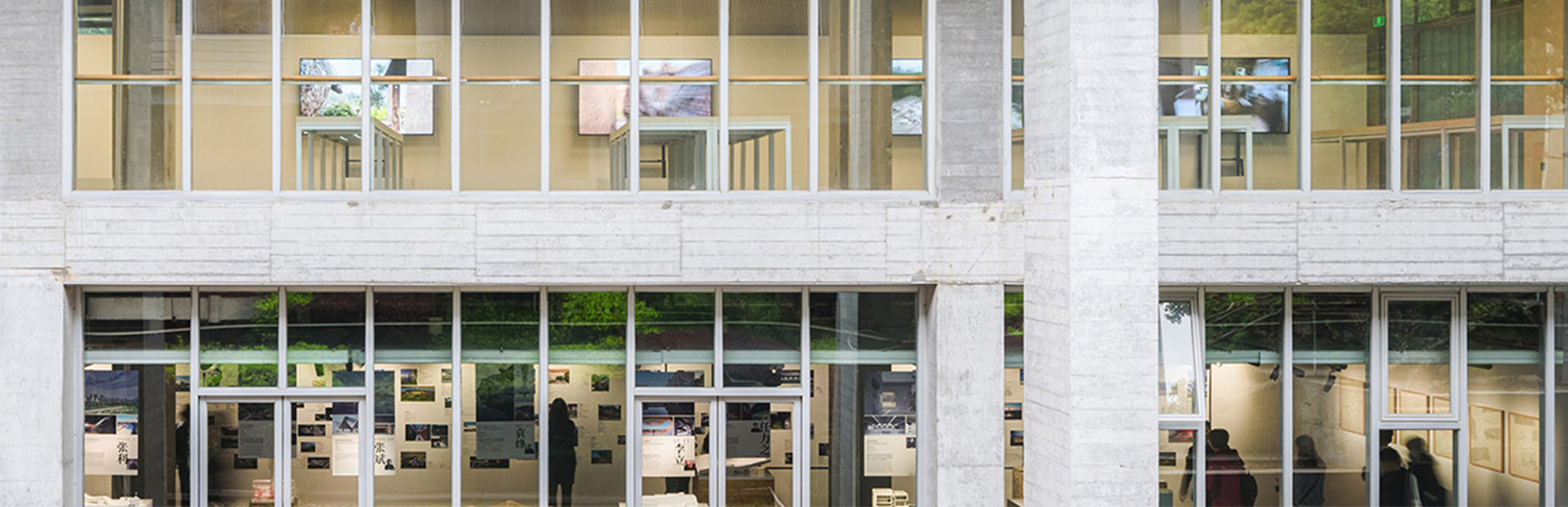
On June 18, 2026, the final review of the joint teaching program “Dancing with AI: Design for Memory and Future of Mombasa Old Town” was successfully held at the multi-functional hall of Tongji University Architectural Design & Research Institute. Launched by the College of Architecture and Urban Planning (CAUP), Tongji University and the Technical University of Mombasa (TUM), this event represents a forward-looking exploration of Sino-African educational and innovative cooperation under the high-quality development of the Belt and Road Initiative, focusing on AI-empowered cultural heritage inheritance.
Based on the inter-university cooperation agreement signed in 2020, the program has achieved a transformative upgrade in teaching philosophy. Breaking the traditional architectural design mode limited to physical space, drawings and models, it advocates the innovative “Work with AI” concept. The program integrates large language models and AI agents with architectural heritage design, adopting three progressive teaching modules: structured digital knowledge graph construction, intelligent agent development, and AI-assisted architectural design. With technical support from industry institutions and academic guidance of global scholars from multiple universities, students developed diversified interactive tour agent schemes and completed full-process AI-cooperative design for the revitalization of Mombasa’s Swahili cultural heritage.
In the in-depth academic discussion session, international experts commented on the achievements, affirming the innovative integration of AI technology and heritage protection while pointing out existing limitations and optimization directions. Students rationally reflected on the drawbacks of AI in complex spatial design, emphasizing that human designers dominate value judgment and final decision-making while AI serves as an auxiliary tool. Adhering to the humanistic essence of architecture, this cross-border and cross-border teaching practice explores a sustainable digital path for the dynamic inheritance of African cultural heritage. It also pioneers a new paradigm for future Sino-African interdisciplinary educational cooperation and cultural exchange.
 ABOUT US