 ABOUT US
NEWS

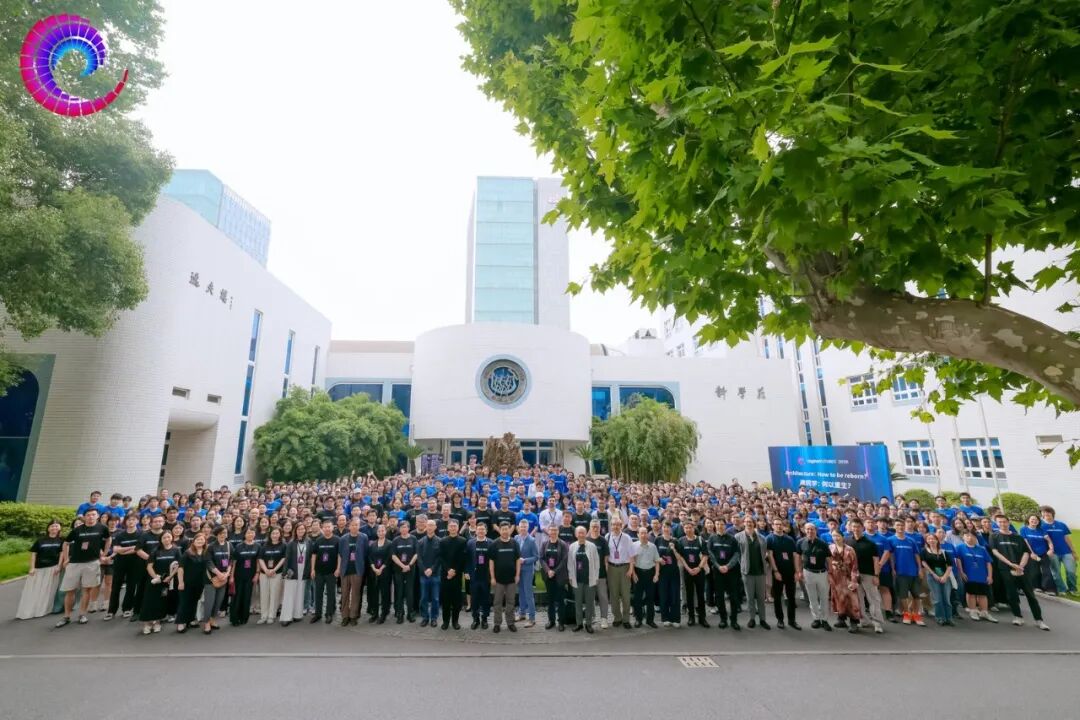
Hosted by Tongji University, the event assembled an unprecedented global cohort: 127 tutors, 487 participants and 61 teaching assistants from 46 institutions across 11 countries and regions, selected from 1,580 worldwide applications. Including Tongji UniversityExecutive Vice President Lü Peiming, CAUP Dean Professor Philip F. Yuan and Member of Chinese Academy of Engineering Wu Zhiqiang delivered opening remarks, welcoming cross-border innovators to reshape architecture amid AI transformation.
Thirty-seven offline workshop tracks cover cutting-edge agendas: generative AI material design, robotic rammed earth construction, circular bio-waste fabrication, LLM-powered ancient architecture computation and AI Agent spatial design, integrating robotic manufacturing, zero-carbon planning and mixed reality urban spaces.
As a landmark global platform for computational architecture since 2011, DigitalFUTURES 2026 transcends technical training. It builds a cross-cultural dialogue hub redefining architectural identity in the AI era, bridging academic research, industrial innovation and sustainable urban governance. By uniting global minds to rethink material cycles, human-machine collaboration and climate-responsive built environments, the workshop charts actionable pathways for architecture’s rebirth amid global ecological and digital transitions.

NO.1239 Rd. Siping, SHANGHAI


