 ABOUT US
NEWS

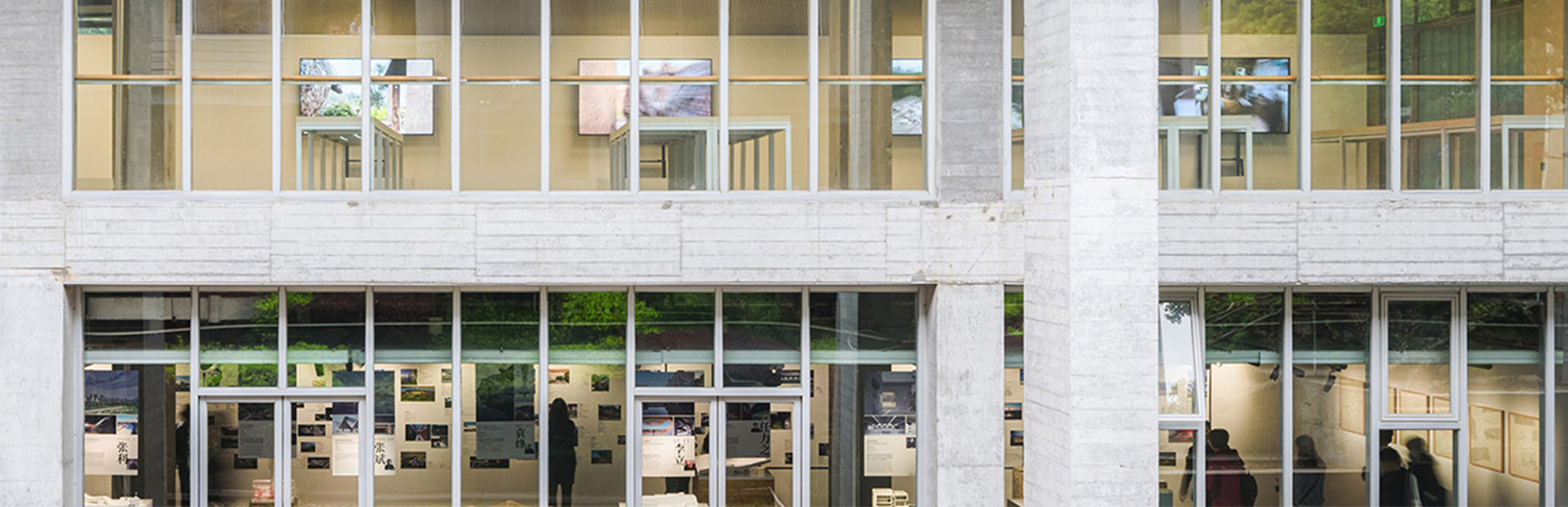
BACKGROUND AND REVIEW
In recent years, rapid advances in digital and intelligent technologies—particularly generative AI—have triggered a new wave of global technological transformation. In response to this shift, the College of Architecture and Urban Planning (CAUP) at Tongji University initiated and hosted the inaugural AI4CITIES International Conference in 2024, taking a leading role in fostering the integration of computer science and urban studies, and exploring a new paradigm of AI-enabled interdisciplinary education. This initiative also contributes to Tongji’s broader vision of disciplinary transformation guided by digitalization, sustainability, and integration.
In July 2025, CAUP, in collaboration with the International Association for China Planning (IACP), the World Urban Planning Education Network (WUPEN), and a wide range of partner universities, academic journals, and media platforms, successfully hosted the AI4CITIES-2 International Conference and Summer Workshop. Centered on the theme “How AI Empowers Better Cities”, the event brought together participants from over 100 universities across more than 10 countries and regions.
Through this global exchange, the program explored explainable, collaborative, and sustainable approaches to AI in urban contexts, and established an innovative “Conference + Workshop” integrated model, combining high-level academic dialogue with interdisciplinary, project-based learning.
[International Conference Module] Global Thought Leaders on “AI + Cities”
The conference featured keynote speeches by leading scholars and experts in the field of AI and urban studies, including:
· Rayman Mohamed, President of the American Planning Association
· Otthein Herzog, Foreign Member of the Chinese Academy of Engineering
· Michael Batty, Foreign Member of the Chinese Academy of Sciences
· Xiansheng Hua, Executive Dean, Institute of AI for Engineering, Tongji University
· Zhong-Ren Peng, Professor, University of Florida
Discussions addressed cutting-edge topics such as Human–AI Integration (HAI), intelligent spatial optimization, engineering intelligence systems, and AI-enabled co-creation in urban planning, fostering in-depth academic exchange at the global frontier.
[Summer Workshop Module] Interdisciplinary Collaboration and Innovation in Practice
The summer workshop was jointly supervised by over 20 distinguished scholars from around the world. Each student team was co-mentored by faculty from both urban planning/urban studies and computer science/AI, forming a truly interdisciplinary teaching framework centered on “AI + Cities.” With over 100 participants, the workshop adopted a hybrid model of mentor lectures and project-based teamwork, covering key technical domains such as: Generative AI, 3D reconstruction, Urban network intelligence and Human-centered intelligence.
The program culminated in a diverse set of innovative outputs across interdisciplinary themes, including: AI-driven public transit optimization, Multi-objective livable environment planning, Agent-based participatory urban regeneration, Ride-hailing system optimization, Reframing urban cognition, Environmental sustainability, HAI and affective urban fields, Human–AI collaborative planning experiments, Housing typologies and neighborhood systems. These outcomes demonstrate the strong potential of integrating AI methodologies with urban research and design practice.
(https://upd-caup.tongji.edu.cn/yxzp/list.htm)
Dates
Scheduled for July 15–20, 2026(6 days total)
Venue
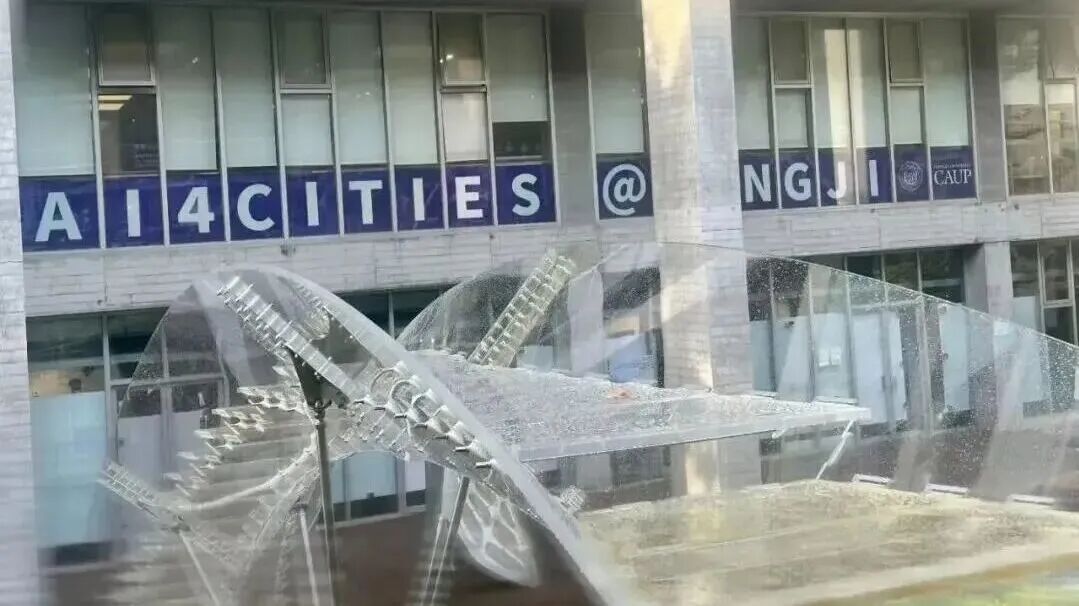
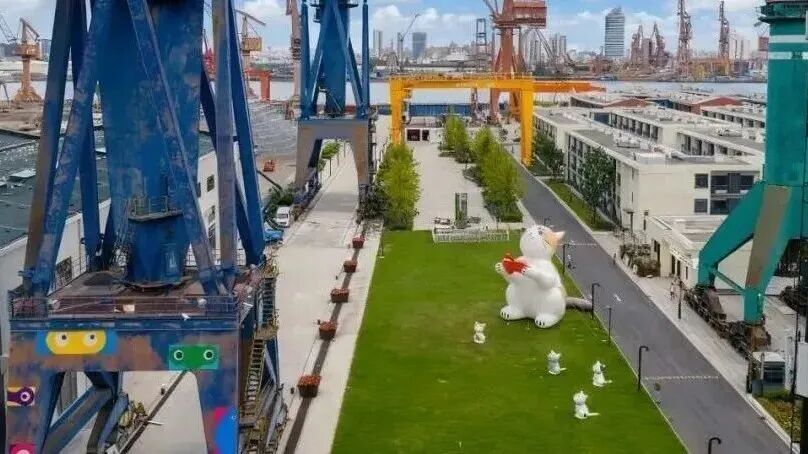
Tongji University, Shanghai, China & Fuxing Island “Future City Innovation Pilot Zone”
Who Would Join
Team Structure:
We will form approximately 8 interdisciplinary workshop teams. Each team will include two mentors with complementary disciplinary backgrounds and 5–6 participants.
We have invited mentor teams from leading universities in China and abroad with expertise in urban planning, AI, and related fields.
We welcome senior undergraduate students, master’s students and PhD candidates.
Urban Disciplines:
Urban Planning, GIS, Architecture, Landscape Architecture, Urban Design, Transportation Engineering, Urban Management, Environmental Studies etc.
AI & Tech Disciplines:
Artificial Intelligence, Computer Science, Software Engineering, Data Science, Human-Computer Interaction etc.
Ideal candidates are:
Passionate about integrating AI and urban systems;
Equipped with basic data modeling, python scripts and analysis skills;
Comfortable working both in Chinese and English in international, interdisciplinary teams
How to Apply
Please complete the application form by May 31, 2026 (Beijing Time). The form includes basic personal information, academic background, CV, and related materials. (Language: Chinese or English.) The organizing committee will send invitation notifications to selected participants by June 15, 2026.
The above forms contain identical content. Please complete only one as needed and do not submit multiple applications.
a. Google Form
Link:
https://www.wjx.top/vm/wKJpq8P.aspx
QR Code

Wenjuanxing Form:
Link:https://forms.gle/X6vKujaXiKJmRppW8
QR Code

Logistics for Invited Participants
Selected participants are not required to pay any conference or workshop fees. Travel, accommodation, and meals should be covered individually.The committee of Workshop will set prizes for excellent participants.
Contact Us
Email: nanali@tongji.edu.cn, liuchao1020@tongji.edu.cn
Phone: +86-21-65982345
Address: College of Architecture and Urban Planning, Tongji University
1239 Siping Road, Yangpu District, Shanghai, China, 200092
Website:https://upd-caup.tongji.edu.cn/main.htm

NO.1239 Rd. Siping, SHANGHAI


