学院介绍
学院介绍
新闻中心



建筑理论与历史 I(英)
中国建筑史专题(2023)
Architectural Theory and History I
Traditional Chinese Architecture (2023)
—
课程回顾与线上展览
Final Assignments and Online Exhibitions
—
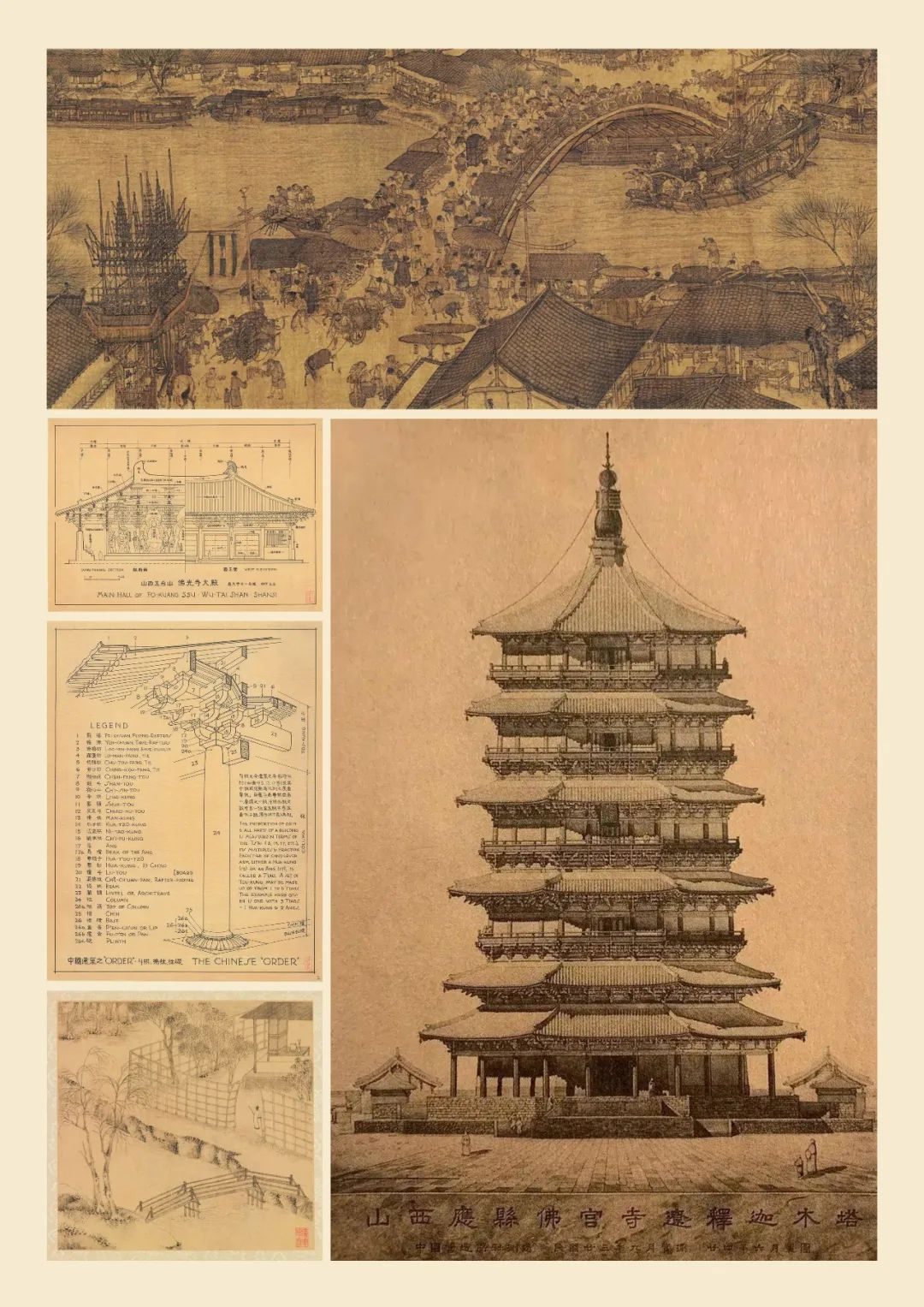
Course Coordinators
Professor Chang Qing, Assoc. Professor Li Yingchun
课程主持:常青 教授、李颖春 副教授
Teaching Assistants: Qiu Jiayue, Zhou Chao
课程助教:邱嘉玥,周超
Course Description
课程简介
2023年春季学期的国际班本科三年级建筑理论与历史I课程,共有来自9个国家的13位同学参与。课程由十二个独立讲座构成,从风土建筑、官式建筑和现代建筑三个方面,展现中国建筑的历史多样性和叙事多元性。课程的期末作业,要求学生从本学期的系列讲座中挑选一个主题,提炼演讲者的主要观点,并围绕这一观点组织视觉材料,创建一个小型线上展览空间。作业旨在训练学生提炼和表达主见的能力,并运用可视化手段进行互动交流。
Architectural Theory and History I is an undergraduate-level course offered to third-year international architecture students at CAUP. The course is comprised of twelve advanced lectures that present the historical diversity and narrative plurality of Chinese architecture through three thematic sections: vernacular architecture, high-style architecture, and modern architecture. Thirteen students from 9 countries attended the class in the spring semester of 2023. For the final assignment, students were required to select ONE topic from the lecture series, present ONE of the speaker’s most thought-provoking statements, and create an online mini-exhibition space. The purpose of the assignment was to train students how to distil and articulate a standpoint, as well as how to use visual methods for interactive communication.
Themes of Lectures
主题回顾
An Overview of Traditional Architecture in China | 中国传统建筑概说
Chang Qing | 常青
Tailiang vs. Chuandou: The Two Prototypes of Chinese Wooden Construction | 抬梁与穿斗:中国木构的两种原型
Liu Yan | 刘妍
Ritual and Residential Spaces in Chinese Vernacular Architecture: Focused on Min and Zhe Regions | 中国乡村传统居住与仪式空间:闽浙风土经典案例
Zhou Yizhi | 周易知
The Myth of Fujian Tulou: Vernacular tradition, Survival Strategy and Cultural Heritage | “福建土楼”的神话:风土传统、生存策略与文化遗产
Zheng Jing | 郑静
Along the River During the Qingming Festival: Urban Form and Everyday Life in Ancient China | 中国古代的城市形态与日常生活
Liu Diyu | 刘涤宇
Vernacular Architecture Conservation in East Asia: Answers to the Questions about Tsumago-juku | 东亚风土建筑保护个案研究:妻笼宿答客问
Pan Yue | 潘玥
Tang–Song Temple Architecture in Formation and Transition | 唐宋寺观建筑空间的形成与演变
Xu Zhu | 徐翥
The Disappeared Palace: Restoring the Early Ming-dynasty Gallery-Courtyard of the Three Main Halls in the Forbidden City | 消失的宫殿——明初北京紫禁城三大殿廊院复原
Zhu Yuhui | 朱宇晖
The Host, the Hostess, and the Nymph, Roles of Space in Chinese literati Garden | 男主,女主和女神:中国古典园林的空间角色
Zhu Yuhui | 朱宇晖
The Exportations and Echoes of Traditional Chinese and Japanese Garden Houses: The Japanese Exhibition House at MoMA and Astor Court at Metropolitan Museum of Art | 中日传统园宅的输出与反馈——MoMA的“日本住宅” 展与大都会博物馆的“明轩”展
Zhou Yi | 周仪
China and the/Other Bauhaus: Encounters and Reactions | 中国与(另类)包豪斯:机遇和回应
Chin-Wei Chang | 张晋维
Becoming Obsolete: The Lived Culture of Heritage Preservation in Mao Zedong’s Birthplace in the Early Socialist China | 成为过往:社会主义早期韶山的建成遗产保护
Dong Zhe | 董哲
Selected Works
作业展示
GROUP 1
Kai syuen & Teh Lynn Qian

Kai Syuen is an architecture student from Malaysia, she loves the inventiveness of integrating arts and architectural history, and she has a fervent passion for traditional Chinese architecture.
Teh Lynn Qian is an architecture student from Malaysia. She loves stories and is deeply touched by the preservation of humanity in her studies.
刘恺萱来自马来西亚,她喜欢将艺术与建筑历史相结合的创意,对中国传统建筑有着浓厚的兴趣和热情。
郑翎仟来自马来西亚,她非常喜欢听故事,并对与人文保护相关的课题有极大的兴趣。
Selected Topic 主题选择
Vernacular Architecture Conservation in East Asia: Answers to the Questions about Tsumago-juku
东亚风土建筑保护个案研究:妻笼宿答客问
Primary Argument 议题提取
Preservation should be an acceptance behavior to the locals.
遗产保护应当成为一种被当地人接受的行为。
•The villagers' advocacy of no renting, no selling, and no dismantling.
•The villagers' autonomy in preserving and restoring the majority of the buildings.
•Through reconstructing the activities of the Edo period, we discovered that the village's traditions are still alive and well.
•村民治村时倡导 不租、不卖、不拆。
•由于村民自治,大部分建筑得以成功保存和修复。
•通过对江户时代节庆活动的复原,我们发现村民自发形成的传统至今仍在延续。
Tour guide of the Exhibition 展览介绍
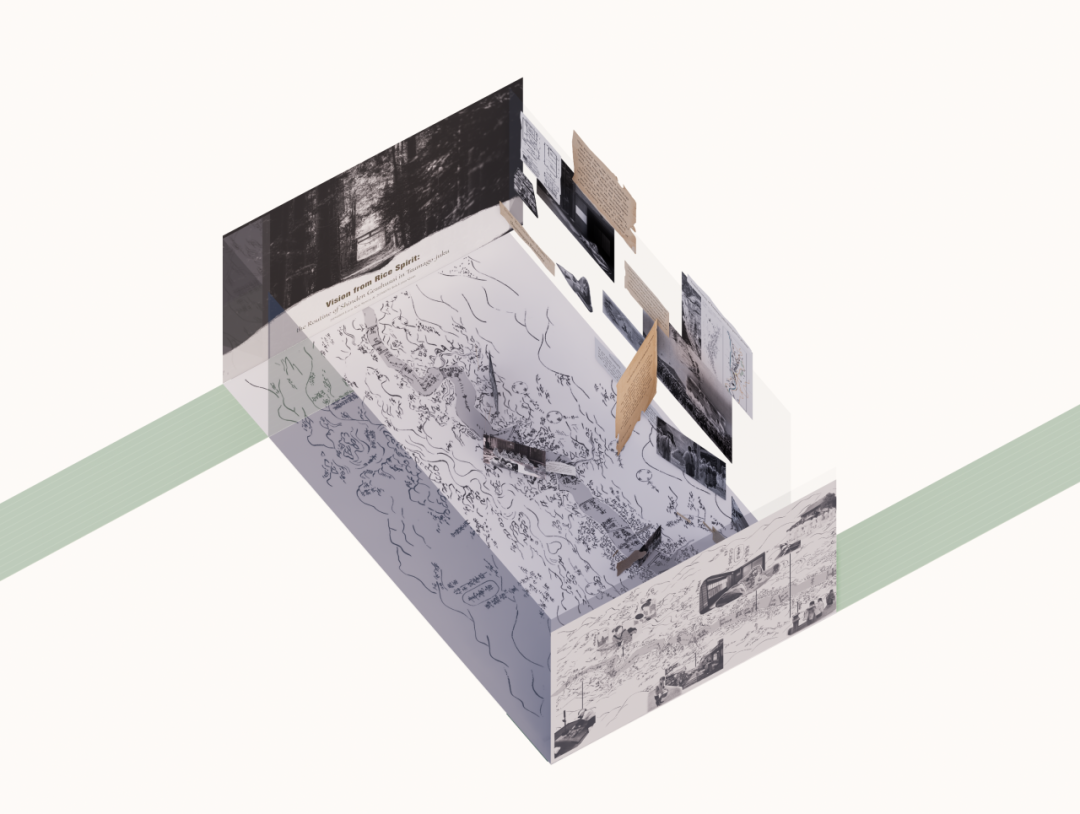
This exhibition tries to reconstruct the old-time Shiden Gesshusai according to the self-preserved tradition in the Tsumago-juku village, Japan, during the Edo period. By maintaining and showcasing the distinctive activity, it aims to preserve and visualize the heritage’s unique characteristics and identity, captivating and leaving a lasting impression on those who encounter it. The exhibition creates an opportunity for the visitors to embrace and safeguard these inherent attributes so that we can ensure the legacy of our heritage remains intact for future generations to appreciate and cherish.
Tsumago-juku exemplifies the extraordinary bond between its villagers and the village, which is an invaluable asset for preservation. The profound faith and love that the locals have for their village are the driving forces behind its conservation. Their deep-rooted pride in what Tsumago-juku represents is evident, as they recognize that without their wholehearted acceptance and dedication, preservation efforts would merely result in a lifeless shell of heritage devoid of the human touch. From the concept of our information performing to the exhibition presentation, we integrated the ideas of paper-cutting in a “journal”.
我们将根据村子从古至今保留下来的传统,尝试对旧时的 师店歌舞斋 进行改造。由于江户时代的妻笼塾相对成熟和稳定,因此我们选择了这一时期作为研究对象。我们坚信,遗产的保护和彰显有赖于其独特的自我特征和态度。通过保持和展示其独特的品质,遗产可以吸引并给接触它的人留下深刻的印象。正是通过拥抱和保护这些固有的特质,我们才能确保我们的遗产保持完好无损,供子孙后代欣赏和珍惜。
妻笼塾体现了村民与村落之间非同寻常的纽带关系,这是保护遗产的宝贵财富。当地人对村庄的深厚信仰和热爱是村庄保护的动力。他们对妻笼塾所代表的意义深感自豪,这一点显而易见,因为他们认识到,如果没有他们全心全意的接受和奉献,保护工作只能是徒劳无功,使遗产失去人性。从信息表演的概念到展览展示,我们都将剪纸的理念融入了 日记 中。
GROUP 2
Niya Feng & Kim Hyeong Ye

Niya Feng from Bulgaria and Kim Hyeong Ye from South Korea are both third-year architecture students who share a passion for art and travel. They believe architecture can teach us a great deal about the past lives of diverse cultures.
来自保加利亚的冯妮亚和来自韩国的金炯睿对艺术和旅行有着共同的兴趣,他们相信通过建筑可以了解不同文化背景下过去的生活。
Selected Topic 主题选择
The Exportations and Echoes of Traditional Chinese and Japanese Garden Houses: The Japanese Exhibition House at MoMA and Astor Court at Metropolitan Museum of Art
中日传统园宅的输出与反馈——MoMA的“日本住宅” 展与大都会博物馆的“明轩”展
Primary Argument 议题提取
Why was Japanese architecture able to rapidly establish itself on the modern architecture scene?
日本建筑为何能迅速在现代建筑话语中占据一席之地?
•The pre-existing popularity of Japanese art and culture from the middle of 19th century to the beginning of the 20th century contributed to the development of an interest in Japanese architecture and helped to establish its place on the modern architecture scene.
• Individual prominent architects, such as Frank Lloyd Wright, Mies van der Rohe, and Anotonin Raymond, played a significant role in bringing and popularizing Japanese architecture to the West by incorporating its beauty and functionality into their own designs.
•The resemblance of traditional Japanese architecture to the “International Style”, such as the use of rectilinear forms, surfaces that are stripped from ornamentation, and the use of a skeleton frame structure with independent columns supporting the roof contributed to its popularity, along with the openness and flexibility in plan and light in appearance and the flow between indoor and outdoor areas. Simultaneously in the West, the Modern Movement of architecture exhibits the same characteristics.
•19 世纪中和20世纪初日本艺术和文化的流行有助于激发人们对日本建筑的兴趣,从而确立了日本建筑在现代建筑领域的地位。
•个别建筑师的影响,如弗兰克·劳埃德·赖特(Frank Lloyd Wright)、密斯·凡·德罗(Mies van der Rohe)和阿诺托宁·雷蒙德(Anotonin Raymond),将日本建筑的美感和功能性融入自己的设计中,在向西方介绍和普及日本建筑方面发挥了重要作用。
•日本传统建筑的风格与国际风格相似,包括使用直线,不加装饰,以及使用框架结构,用独立的柱子支撑屋顶。日本建筑在平面上非常开放灵活,外观轻盈,室内和室外的关系也很好,这些特点在同时代西方的现代建筑运动中也能找到。
Tour Guide of the Exhibition 展览介绍
This exhibition provides a chronological overview of how Japanese architecture came to be recognized in the West. This process began in the middle of the 19th century, a century before the Japanese Exhibition House at MoMA in the summer of 1954, when Japan opened its ports to foreign trade and “Japonisme” began to shake and reshape the art culture of Europe. It was followed by renowned Western architects who incorporated Japanese aesthetics into their world-famous works. The exhibition delves further into the resemblance between Shoin and the “International Style” presented in the Japanese Exhibition House. It concludes with the process over the past several decades which brought Japan into the realm of contemporary architecture.
展览将以时间轴的形式展示日本传统建筑被西方世界认可的过程。早在19世纪中叶,日本开放了对外贸易港口,开启了撼动和重塑欧洲艺术文化的 日本运动。随后,西方知名建筑师在他们举世闻名的项目中展示了日本建筑之美。1954年夏,纽约MoMA现代艺术博物馆的“日本住宅展”进一步彰显了日本传统“书院造”与“国际风格”之间的相似之处。展览在结尾部分回顾了近几十年来日本进入国际当代建筑舞台的历史过程。
GROUP 3
Nkonde Lisa Zulu
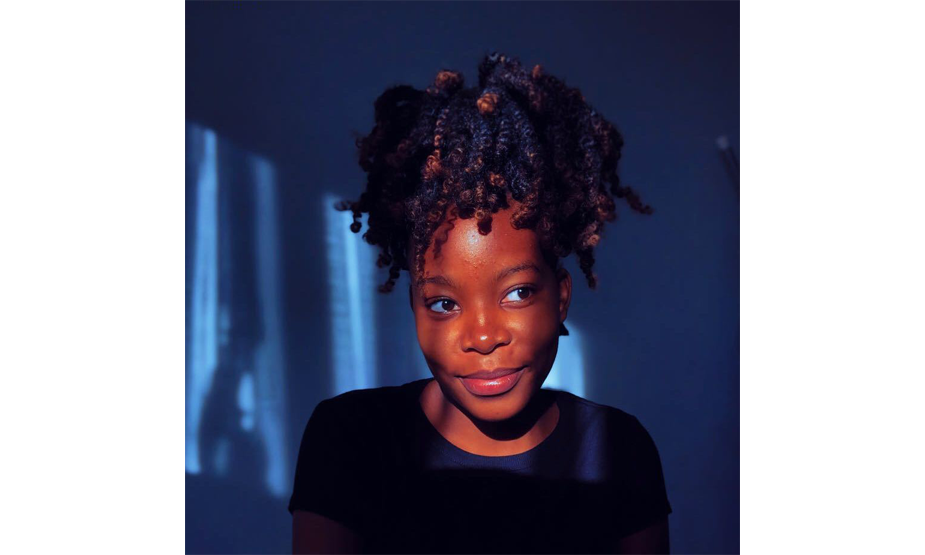
Nkonde Lisa Zulu, a native of Zambia, seeks increasingly creative methods to express herself. In her free time, she enjoys reading, cooking, and exploring the streets of Shanghai in search of new gastronomic discoveries.
左丽莎来自赞比亚。在成长的过程中,她不断寻找有创意的方式来表达自己。她喜欢阅读、烹饪,闲暇时间会探索上海的大街小巷,寻找新的美食。
Selected Topic 主题选择
Tang–Song Temple Architecture in Formation and Transition
唐宋寺观建筑空间的形成与演变
Primary Argument 议题提取
Due to changes in ritual practices, the relationship between sacred and secular space in Chinese Buddhist architecture underwent a significant transformation between the Tang and Song dynasties.
由于宗教仪式的变化,中国佛教建筑中神圣空间与世俗空间的关系在唐宋之间发生了一次重要的转型。
Tour guide of the Exhibition 展览介绍
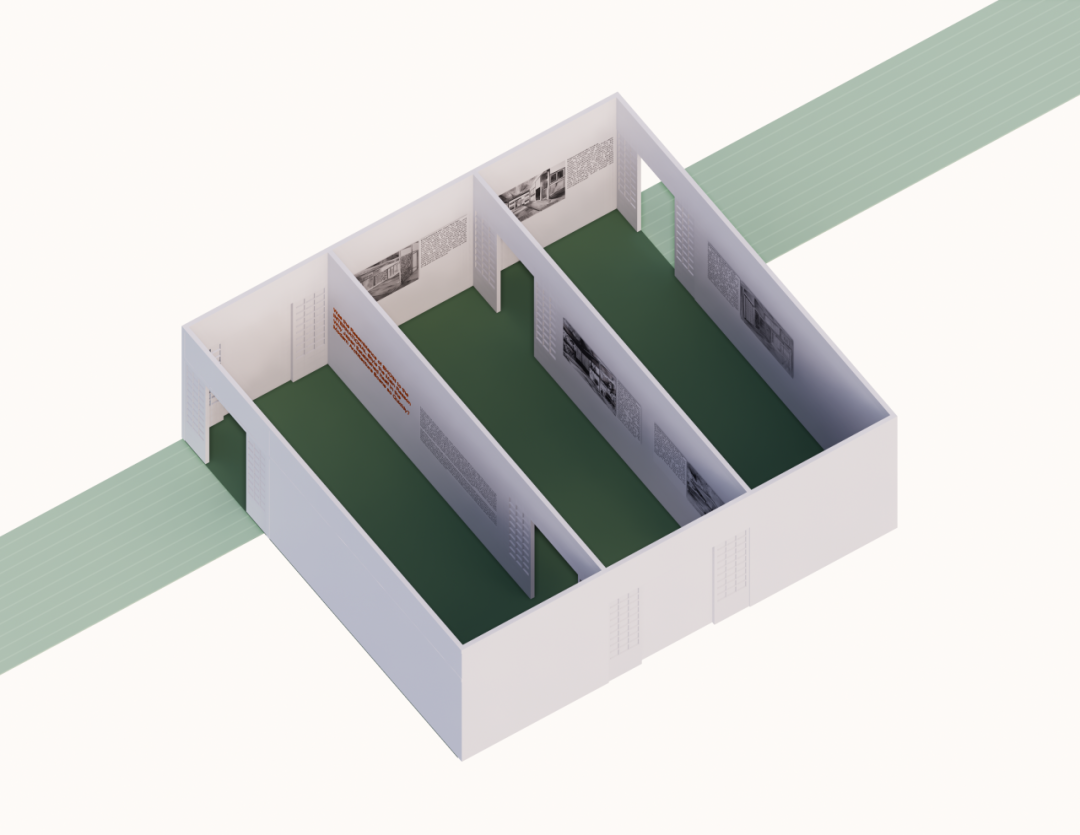
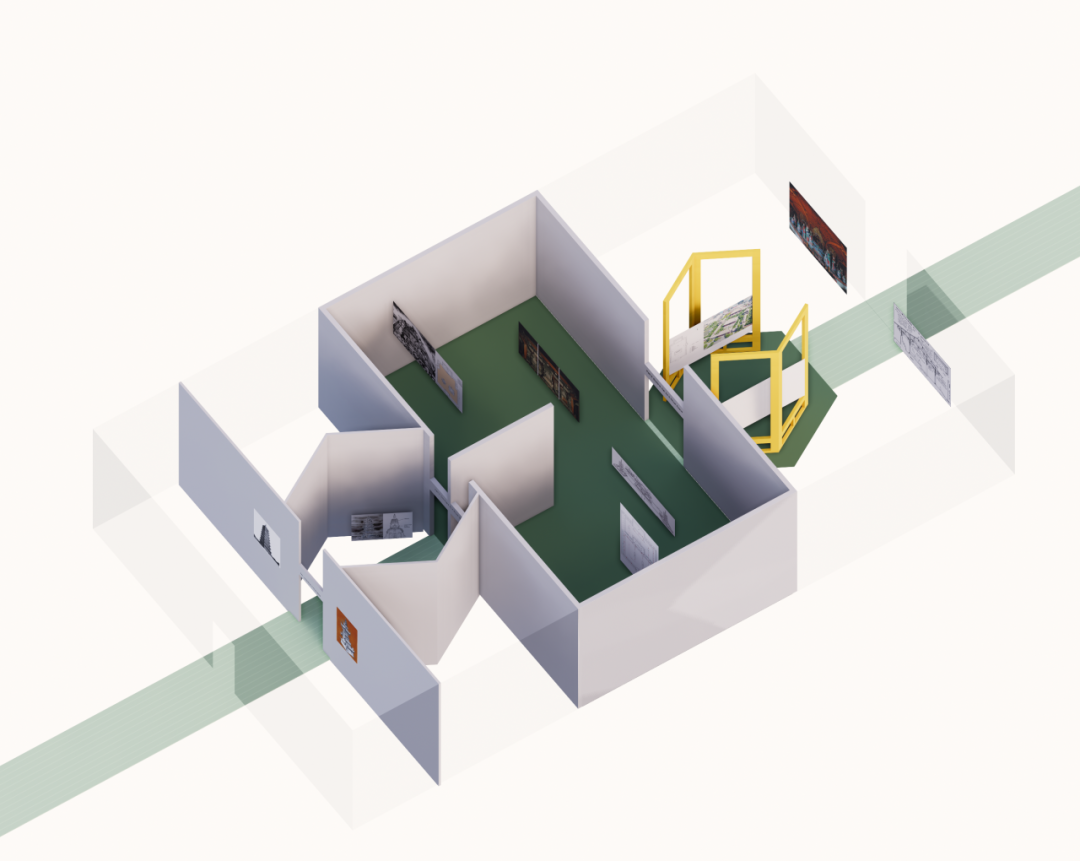
The exhibition is divided into three parts, showing the spatial transformation of Chinese Buddhist architecture from a pagoda-centered to a Buddha-hall-centered layout during the Tang and Song dynasties (618–1279 CE). The first part depicts the pagoda-centered stage, during which the pagoda, as the primary element of the temple, dominated the Buddhist ritual practices. The second part examines the transforming process to the stage of courtyard-centered layout, while the courtyard, as the predecessor of the Buddha Hall, played a significant role in religious rites and processions. The last part shows how the Buddha Hall became the most important building in Chinese Buddhist temples. In this process, the link between the sacred and secular grew stronger as the Buddha Hall in China allowed worshippers to stand directly in front of the Buddha statues, providing closer physical contact between humans and Buddhas.
展览分为三个部分,展示了中国佛教建筑在唐宋年间发生的从“塔中心”到“殿中心”的空间转型过程。第一阶段为塔中心,佛塔作为寺院布局的中心元素主导了当时的礼佛习俗。第二阶段为“院中心”,探讨庭院作为佛堂的前身,在礼佛仪式中的重要作用。第三阶段为殿中心,佛殿成为中国佛寺中最重要的建筑物。神圣与世俗之间的联系在这个过程中越来越紧密,因为中国的佛殿允许信众直接站在佛像前,提供了更亲密的身体接触。
GROUP 4
Zahar Snopkov & Emily Yu



Zahar Snopkov is a student of architecture from Belarus. He has a deep interest in history and its reflection in art and architecture.
Emily Yu is a 20-year-old architecture student from British Columbia, Canada. She looks forward to learning more about Chinese and Western architecture.
载和来自白俄罗斯,他对艺术史和建筑史有浓厚的兴趣。
梁炜森来自加拿大不列颠哥伦比亚省,她期待学习更多中西方建筑的知识。
Selected Topic 主题选择
Tailiang vs. Chuandou: The Two Prototypes of Chinese Wooden Construction
抬梁与穿斗:中国木构的两种原型
Primary Argument议题提取
The construction process of a Chuandou Structure
穿斗结构是如何建造的
Tour Guide of the Exhibition 展览介绍
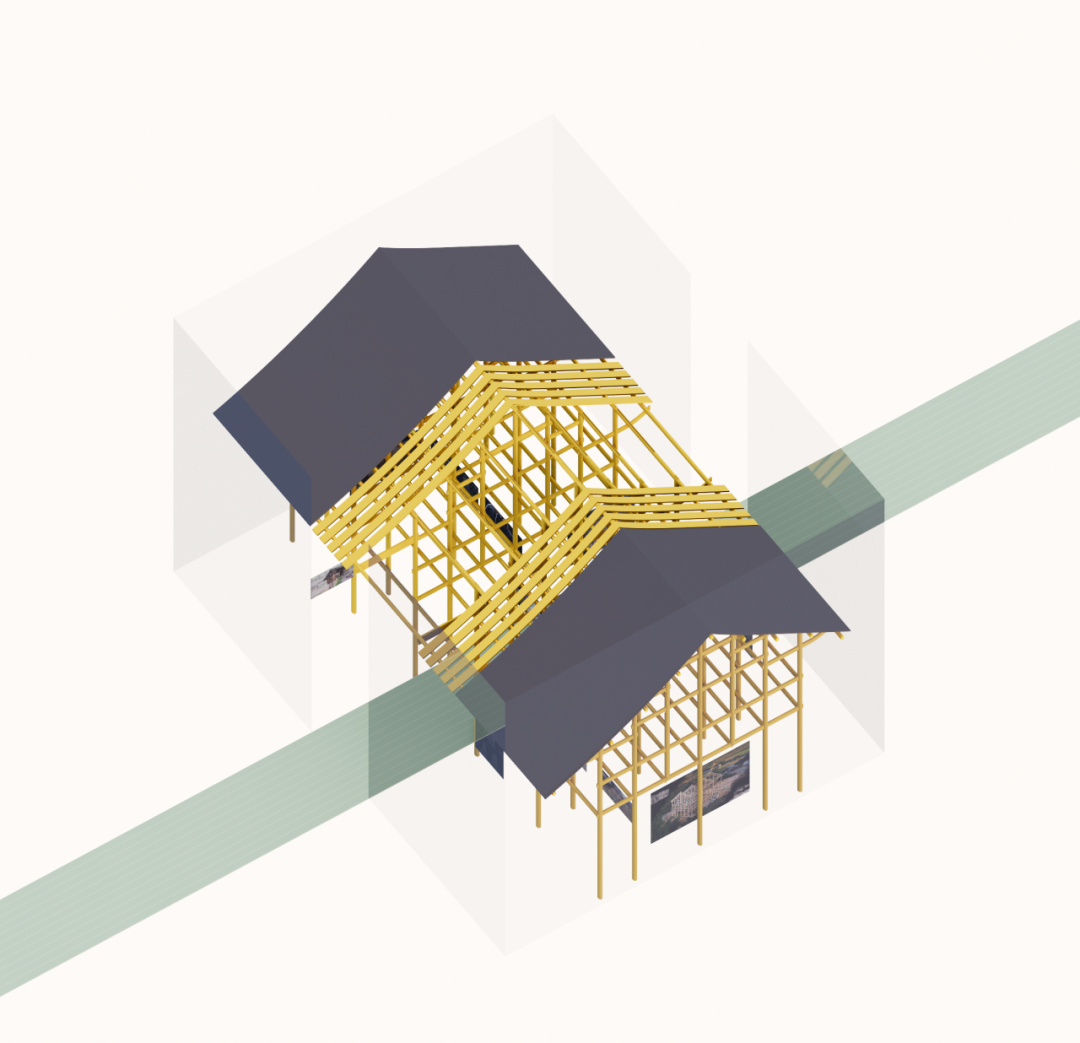
Chuandou (column-and-tie construction) is an ancient building method that originated in South China. The primary advantage of this vernacular construction system is its ability to combine fabrication simplicity with climate adaptation by using locally available materials. The exhibition investigates the construction of a chuandou house in the village of Ganhe in southern China, demonstrating the rapidity and economy of this construction system, as well as its ability to accommodate modern technology and lifestyles.
穿斗结构是一种可追溯到古代中国南方的建筑方法,它的主要优点是能够利用当地材料、易于建造,且适应当地气候。展览考察了中国南方甘河村一座平房的建造过程,展现了这种建造方式快捷经济的特点,以及对现代技术和生活方式的包容。
GROUP 5
Chadine Kisra

Chadine Kisra is a student from Morocco. Her passions include drawing and travel. She has a strong desire to incorporate Islamic and Arabic vernacular architectural techniques into her designs.
沙妮来自摩洛哥,她爱好绘画和旅行,她对在设计中使用伊斯兰和阿拉伯本土建筑技术有着浓厚的兴趣。
Selected Topic 主题选择
The Disappeared Palace: Restoring the Early Ming-dynasty Gallery-Courtyard of the Three Main Halls in the Forbidden City
消失的宫殿——明初北京紫禁城三大殿廊院复原
Primary Argument 议题提取
The Ming Dynasty was the heyday of Chinese aesthetics
明朝是中国美学的鼎盛时期
Tour Guide of the Exhibition 展览介绍
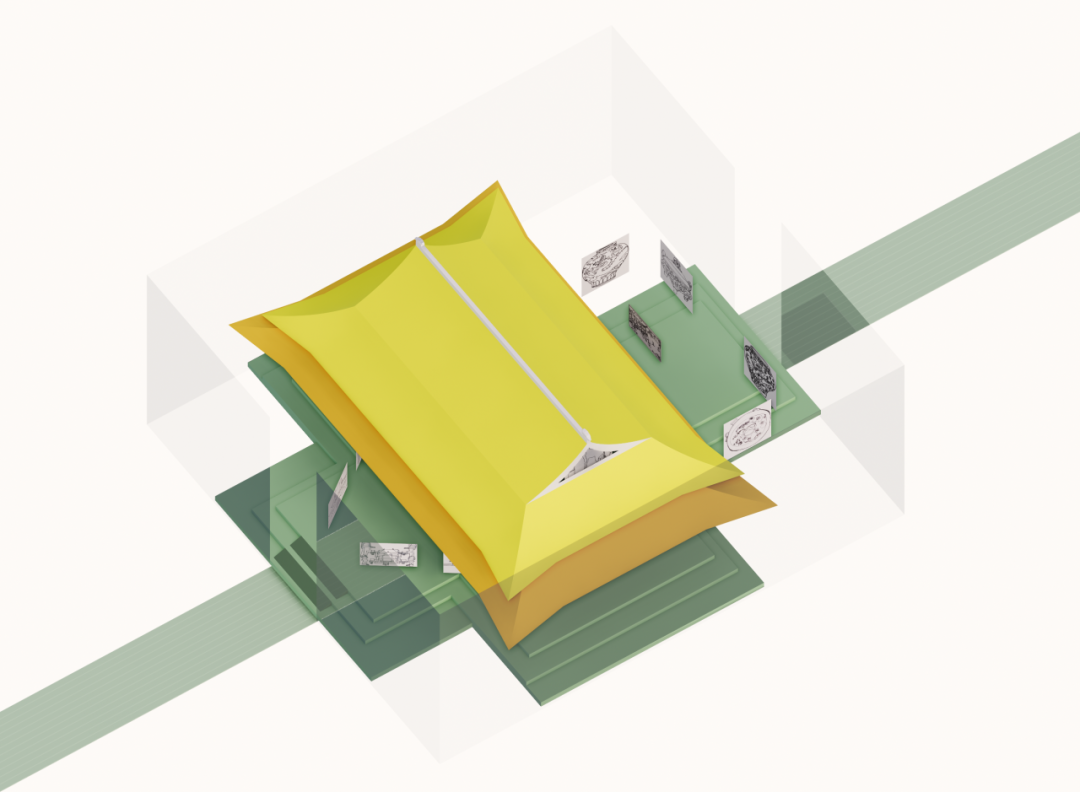
The exhibition concept can be expressed as a linear gallery through the three main halls of the Ming Dynasty Forbidden City. Featuring a range of paintings, ceramics and archaeological finds, the exhibition recounts a rich and intricate history of the architecture and culture of the Ming Dynasty. The fifty years from 1399 to 1449 were a time of astounding peace and extraordinary achievement. It created a rich material culture whose splendour continues to inspire artists and historians today.
展览运用明代故宫三大殿的线性长廊,通过一系列绘画、陶瓷和考古发现,讲述了一个关于明代建筑与文化的历史故事。从 1399 年到 1449 年,这 50 年是令人惊讶的和平时期,也是成就非凡的时期。它创造了丰富的物质文化,其壮丽景象仍激励着当代的艺术家和历史学家。